NZ Insurance Broker
Car insurance NZ. Is your car properly covered?
The cheapest premium is not always the right one. Kapi Insurance reviews comprehensive, Third Party, and fire and theft policies to find what actually fits - your vehicle, your driving situation, and your budget. And when something goes wrong, you have a real person on your side.
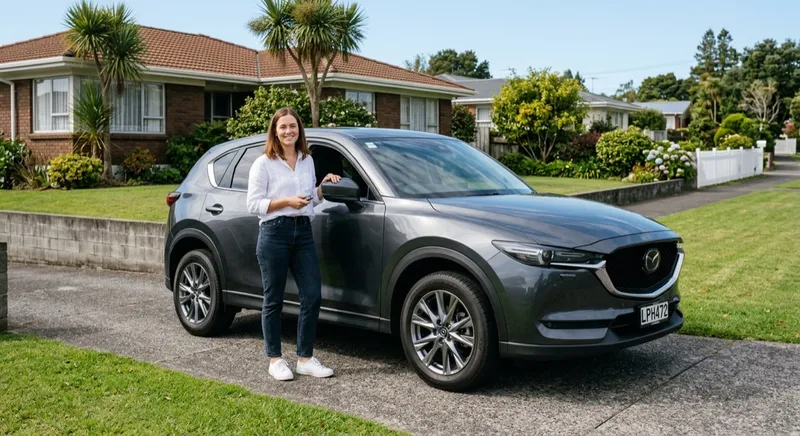
What is car insurance in NZ?
Car insurance protects you against the financial cost of accidents, theft, fire, and natural disasters. Unlike ACC, which only covers personal injury, car insurance pays for damage to your vehicle and your legal liability for damage you cause to other people's property. NZ offers three tiers: comprehensive, Third Party Fire and Theft, and Third Party only.
New Zealand does not legally require car insurance, but driving without it means carrying the full financial risk yourself. If you are at fault in an accident, you are personally liable for the other party's repair costs. If an uninsured driver hits you and you have no protection, you must pursue them yourself. And if the vehicle is written off or stolen, no government scheme will help replace it. Whether you drive a new SUV, a commuter hatchback, a modified import, or use it for Uber or ridesharing, there is a policy that fits - but getting the right level of protection matters more than finding the cheapest premium.
Types of car insurance in New Zealand
NZ car insurance comes in three levels: Third Party only, Third Party Fire and Theft, and comprehensive. The right choice depends on the vehicle's value, your financial situation, and how much risk you are comfortable carrying.
Third Party only
The most basic level of car insurance in NZ. Third Party only protects against your legal liability for damage you cause to another person's vehicle or property. It does not pay for damage to your own vehicle, whether you are at fault or not. If an uninsured driver hits you, you would need to pursue them personally for costs.
What is covered
- Damage to other people's vehicles
- Damage to third-party property (fences, buildings, etc.)
- Legal liability cover
Best suited for
Older or lower-value vehicles where the cost of comprehensive insurance outweighs the replacement value. Also suits drivers on a tight budget who want legal liability protection.
Third Party, Fire and Theft
This mid-tier option includes everything in Third Party only, plus protection if your vehicle is stolen or damaged by fire. It does not pay for accidental damage from collisions or weather events.
What is covered
- All third-party liability cover
- Theft of your vehicle
- Fire damage to your vehicle
- Attempted theft damage
Best suited for
Mid-value cars where the driver wants theft and fire protection without the full cost of comprehensive. A solid middle ground for budget-conscious drivers.
Comprehensive car insurance
The highest level of protection available. Comprehensive covers accidental damage, theft, fire, vandalism, weather, and natural disasters. If the vehicle is declared a total loss or write-off, you receive either the agreed value or market value payout. Many comprehensive policies also include a hire car while yours is being repaired, plus protection for trailers being towed.
What is covered
- All Third Party and fire/theft cover
- Accidental damage (collision, reversing, etc.)
- Windscreen and glass replacement
- Keys and locks replacement
- Child car seats replacement after an accident
- Hire car / replacement car for transport
- Roadside assistance
Best suited for
New cars, financed vehicles (most lenders require it), higher-value cars, and any driver who could not afford to repair or replace out of pocket. Windscreen repairs typically do not affect the no-claims bonus. The most popular choice among NZ drivers.
Quote online in minutes. Free, no-obligation advice from a broker.
What does car insurance cover?
This table shows what is typically included at each level. Exact inclusions vary between insurers, which is why it pays to have a broker review the policy wording.
| Cover feature | Third Party only | Fire and theft | Comprehensive |
|---|---|---|---|
| Third-party property damage | Yes | Yes | Yes |
| Legal liability | Yes | Yes | Yes |
| Theft of your vehicle | No | Yes | Yes |
| Fire damage | No | Yes | Yes |
| Accidental damage (own vehicle) | No | No | Yes |
| Windscreen and glass | No | No | Yes |
| Keys and locks replacement | No | No | Yes |
| Hire car / replacement car | No | No | Optional |
| Roadside assistance | No | No | Yes |
| Trailer cover | No | No | Optional |
| Agreed value option | No | Varies | Yes |
Car insurance and ACC serve different purposes. ACC covers personal injuries from motor vehicle accidents but does not pay for vehicle damage, property damage, or replacement. The insurer also manages a network of approved repairers, ensuring quality workmanship on any repairs.
Agreed value vs market value: which is better?
This choice directly affects how much you receive if the vehicle is a total loss - written off because repair costs exceed its value - or if it is stolen and not recovered.
Agreed value
You and the insurer agree on a fixed sum when the policy starts. If the vehicle is a total loss, you receive that amount less your excess, regardless of depreciation.
Advantages
- Certainty - you know exactly what you will receive
- Protects against depreciation
- No disputes about valuation at claim time
Considerations
- - Typically a slightly higher premium
- - The agreed amount needs to be reviewed at each renewal
Market value
The insurer pays what the vehicle is worth on the open market at claim time, based on age, condition, mileage, and comparable sales. The payout may be less than what you paid or what you still owe on finance.
Advantages
- Generally lower premium
- No need to set a value upfront
- Suitable for older vehicles where depreciation has already occurred
Considerations
- - Payout decreases each year as the vehicle depreciates
- - Potential for disputes over the assessed market value
- - You may receive less than what you still owe on finance
As a guide, agreed value suits newer cars and vehicles with a known replacement cost. Market value can make sense for older cars where the premium saving is worthwhile. At each renewal, we review the agreed amount to make sure it still reflects what it would actually cost to replace the vehicle.
Factors that affect your car insurance premium
Premiums are calculated on a range of risk factors. Knowing what drives the price gives you levers to pull when it feels too high.
Driver age and experience
A young driver under 25 typically pays higher premiums and may face an additional age-related excess. An experienced driver with a clean record pays less. Every named driver on the policy is assessed individually.
Where you live and park your car
Some areas have higher rates of theft, vandalism, or accidents. Urban areas like Auckland and Wellington typically mean higher premiums than rural areas. Whether the vehicle is garaged overnight or parked on the street also affects cost.
Your car's type and value
The make, model, year, and value all influence the premium. Higher-value vehicles cost more to repair, so premiums are higher. Cars frequently targeted for theft and performance vehicles also attract higher costs.
Your excess amount
The excess is what you pay towards a claim. A higher voluntary excess lowers the premium, but you need to afford that amount if something happens. Young drivers may also have an age excess on top. It is worth running the numbers before choosing.
No-claims bonus
A no-claims bonus rewards each claim-free year with a premium discount. Making an at-fault claim typically reduces or resets the bonus. Some policies offer bonus protection so one claim does not cost you years of savings. It is worth asking whether this option is available.
Driving history and fault record
Previous at-fault accidents, claims history, licence demerit points, and convictions all affect the premium. A driver with a clean record pays less. Even if your history is not perfect, a broker can find a policy that fits your situation.
What happens if you need to claim?
If your car is damaged, stolen, or involved in an accident, you contact your insurer directly to lodge your claim. For repairable vehicles, the car goes to approved repairers in the insurer's network. If your policy includes a hire car benefit, you get a replacement vehicle while yours is being fixed.
For a total loss, the payout is based on your agreed or market value. If child car seats were in the vehicle during the accident, replacement is typically included under comprehensive policies.
For a full step-by-step guide, see our guide to making an insurance claim in NZ.
Why use a broker for car insurance?
Many drivers buy car insurance online without speaking to anyone who can explain the differences between policies. That works until you claim and discover the policy does not include what you assumed. A broker works for you, not the insurer, and is legally required to act in your best interest.
We find the right policy for your situation
We review policy wordings and recommend the protection that actually fits - your vehicle, your circumstances, not just the cheapest option.
We check the exclusions
We check exclusions, excess structures, and limitations - such as whether windscreen replacement, trailer protection, or hire car benefits are included or optional.
We spot the gaps
We flag anything missing from your policy - like an outdated agreed value or an exclusion you did not know about - before it costs you.
Annual cover reviews
New car, new address, different drivers - we review everything annually to make sure the policy still matches how you use the car and the agreed value is still current.
No extra cost to you
Brokers are paid by the insurer. You pay the same premium as going direct but get independent advice and ongoing support included.
Bundle and save with your broker
Many of our clients bundle car insurance with other policies to simplify things and receive multi-policy benefits. We review everything in one conversation.
Home Insurance
Protect your property and structure
Contents Insurance
Cover your belongings inside and outside the home
Boat Insurance
Hull, motor and trailer cover for NZ waters
Motorcycle Insurance
Comprehensive cover for bikes and scooters
Trailer Insurance
Protect your trailer against theft and damage
Common car insurance questions
These are the questions New Zealand car owners ask most often. If your question is not here, request a callback and we will be in touch.
Do I need car insurance in New Zealand?
Car insurance is not legally required in NZ, but it is strongly recommended. ACC covers personal injuries, not damage to vehicles or anyone else's property. Without a policy, every driver is personally liable for damage they cause. If your car is stolen or written off, there is no government scheme to help replace it.
What is the difference between agreed value and market value?
Agreed value locks in a fixed payout when you take out the policy - if the vehicle is a total loss, you receive that amount regardless of depreciation. Market value pays what it is worth at the time of the claim, which decreases each year. Agreed value gives certainty; market value typically has a lower premium. We can help you weigh up the trade-off.
How much excess do I pay on a car insurance claim?
The excess is the amount you pay towards each claim before the insurer pays the rest. Most policies have a standard excess plus an age-related excess for younger drivers under 25. Choosing a higher voluntary excess lowers your premium, but make sure you can actually afford it if something happens.
What happens if someone else is driving my car?
It depends on the policy type. An any-driver policy covers anyone with a valid licence and your permission. A named-driver policy only covers listed drivers - if an unlisted person has an at-fault accident, the claim may be declined. There is often an additional excess for drivers under 25, regardless of which option you choose.
What happens if an uninsured driver hits my car?
If an uninsured driver damages your vehicle and you only have Third Party protection, you would need to pursue them personally for repair costs. With comprehensive insurance, the insurer repairs or replaces the vehicle regardless of who is at fault, then recovers costs from the other driver. This is one of the strongest reasons to carry comprehensive.
Does comprehensive car insurance include roadside assistance?
Some comprehensive policies include roadside assistance as standard, while others offer it as an add-on. It typically covers breakdowns, flat batteries, flat tyres, lockouts, and emergency towing. The level of inclusion varies between insurers, so it is worth checking what is available before you sign up.
Is my car covered if I drive for Uber or ridesharing?
Standard car insurance does not extend to ridesharing or Uber use. If you use the vehicle commercially without the correct policy, it could be voided entirely. Specialist rideshare policies do exist - we can source one so you are covered while driving for hire.
Why use a broker instead of going direct?
A broker works for you, not the insurer. We find the right policy, read the fine print, and review everything annually as your circumstances change. There is no extra cost - brokers are paid a commission by the insurer, so you get independent advice for free.
Find out if you are actually covered
Most people think they have the right insurance until they need it. Tell us what you drive and how you use it - we will come back with a straight answer on what you need and what it should cost. Takes about three minutes. No obligation, no fees.
No fees. No obligation. Takes about 3 minutes.