Most Kiwis Are Underinsured
Home insurance in New Zealand
Are you insured for what it would cost to rebuild?
Most homes are underinsured. Building costs have jumped, but the number on your policy may not have kept up. If something happens and your cover falls short, you pay the difference out of pocket.
We check your rebuild figure against current construction costs and read the policy wording so you do not have to. Your cover should keep pace with what builders charge today, not what they charged three years ago, and we review it with you at every renewal.
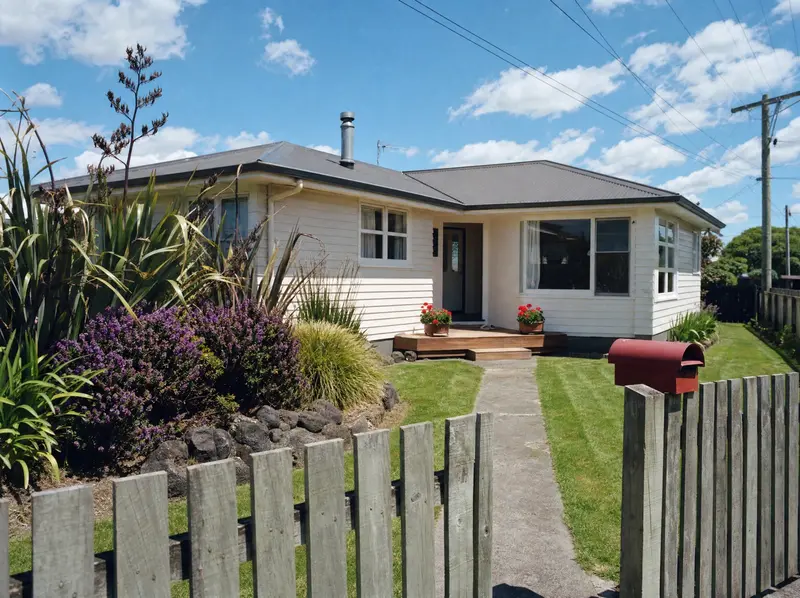
What is home insurance?
Home insurance protects the physical structure of your house against damage from insured events. That includes the dwelling itself, plus permanent fixtures and fittings: fixed floor coverings, built-in cabinetry, driveways, fences, retaining walls, and other structures fixed to the land. It is separate from contents insurance, which covers furniture, appliances, and personal belongings inside the home. Most homeowners need both.
Every policy works on a "sum insured" basis. You nominate the maximum your insurer will pay to rebuild if your house suffers a total loss. Getting this figure right is critical, and it is one of the main reasons homeowners choose to work with a broker. Got a mortgage? Your lender will require home insurance for the full rebuild value. Even without a mortgage, shouldering the entire rebuild cost yourself after an earthquake or flood is a risk most homeowners cannot afford to take.
Policies are underwritten by established insurers with the financial capacity to pay claims even after large-scale events. Canterbury and Cyclone Gabrielle proved that. Whether your property is a standard suburban house, a lifestyle block, or a multi-unit dwelling, the right policy makes sure your home is covered for what it would cost to rebuild today.
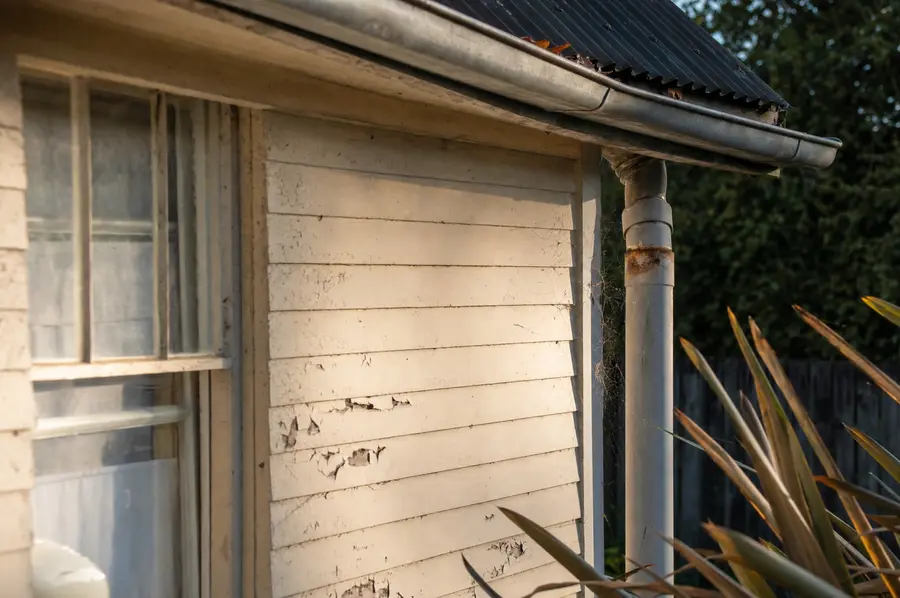
The policy covers the structure: weatherboards, joinery, roof, and everything fixed to the land.
Coverage
What does home insurance cover?
Standard policies cover a broad range of events. Exact inclusions depend on your insurer and the tier of cover you choose.
Fire and smoke damage
A house fire can mean a total loss. Policies typically cover rebuild costs up to your sum insured, including damage from smoke, heat, and water used in firefighting. Does not matter whether the fire starts inside your house or spreads from next door. Fire cover is standard.
Natural hazards and disaster
If you own a home in Wellington or Christchurch, you already know why this matters. But it applies everywhere. Home insurance policies typically protect against earthquake, volcanic eruption, hydrothermal activity, tsunami, landslide, and natural landslip. The Natural Hazards Commission Toka Tū Ake (formerly EQC) levy is built into your premium and provides a first layer of cover, with your private insurer covering the balance up to your sum insured.
Storm and flood damage
High winds, hail, storms, and flooding can hammer your roof, glass, cladding, and the structure underneath. Policies typically cover repair or rebuild costs, plus debris removal and site clearance. Worth noting: some policies cap flood cover in high-risk areas. We check for those sub-limits and flag them before you commit.
Theft and burglary
If your house is damaged during a break-in, home insurance typically covers the repair cost for doors, windows, broken glass, locks, and walls. Many policies also include lock replacement and new house keys after a burglary, so your home stays secure. Stolen belongings are claimed under your contents insurance policy.
Accidental damage
Burst pipe floods your kitchen. Tree lands on your roof. Car reverses into your fence. Accidental damage cover applies to sudden, unintended events like these. It is one of the most commonly claimed benefits. Depending on your policy, it may also cover damage to fixed floor coverings, internal walls, and plumbing from sudden pipe failure.
Temporary accommodation
Where do you live if your house is uninhabitable? Many policies cover reasonable temporary accommodation costs while repairs or rebuilding are completed. That could mean renting another house or staying in a serviced apartment for a set period. We walk you through the specific limits on your policy.
Legal liability
Say a tree on your property falls onto your neighbour's roof, or a visitor is injured in your home. Legal liability cover, included in most policies, handles those situations. Limits and conditions vary, so check the policy wording or ask us to walk you through it.
What is not covered? Gradual damage, wear and tear, poor maintenance, and pest damage are standard exclusions. Some policies also set sub-limits for glass breakage or certain natural hazards. We go through the full exclusion list in the policy wording with you, so there are no surprises at claim time.
Hidden gradual damage deserves special attention. This is deterioration that happens slowly and is not immediately visible. Think of a plumbing leak behind a wall that rots the timber over months, or moisture from a failed pipe joint that quietly damages the framing. Because it is not caused by a sudden event, many house insurance policies exclude it. Some insurers do offer optional cover, or include it within certain policy tiers. Ask your broker. Undetected plumbing leaks can cost tens of thousands by the time anyone notices.
Two Layers Of Cover
What does the Natural Hazards Commission (formerly EQC) cover?
The Natural Hazards Commission Toka Tū Ake, which replaced EQC on 1 July 2024, covers natural hazard damage to your home up to $300,000 plus GST ($345,000 including GST) per dwelling, per event, plus cover for your residential land. NHCover only applies while you hold a current private home insurance policy that includes fire cover.
Earthquakes in Wellington and Christchurch. Volcanic activity in the central North Island. Flooding in Auckland and the Bay of Plenty. With that kind of exposure, the two layers of cover matter everywhere: the first from the Natural Hazards Commission, a Crown entity, and the second from your private insurer. Here is how they fit together.
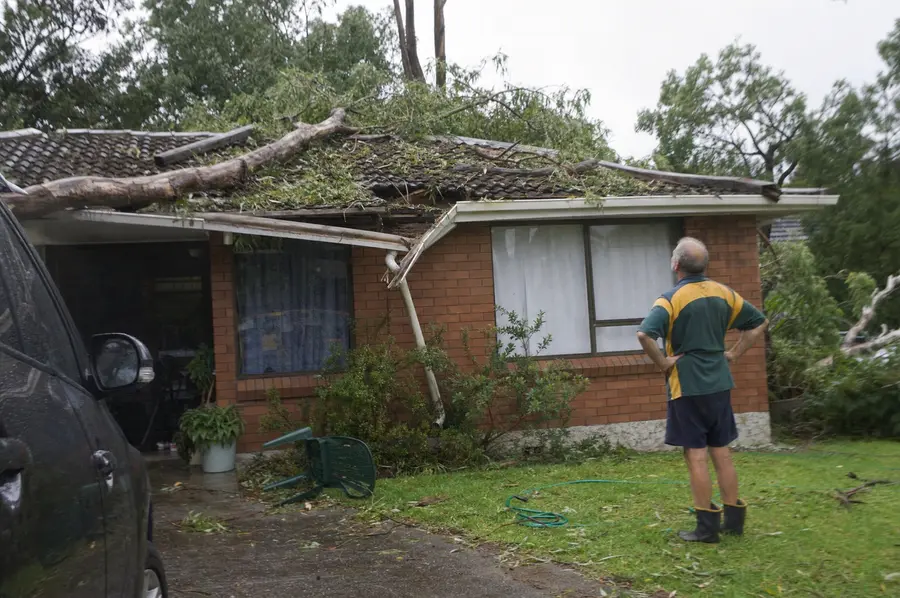
After a storm or flood, NHCover applies to the land only. The house itself rides on your private policy.
- How the natural hazards levy works
-
Your insurer collects a Natural Hazards Commission levy as part of your premium, capped at $480 plus GST a year. Every home policy includes it. In return, NHCover protects your house against earthquake, natural landslip, volcanic eruption, hydrothermal activity, and tsunami, up to the cap per dwelling per event.
One thing people miss: NHCover only exists while you hold a current home insurance policy that includes fire cover. Let your policy lapse, and the government cover lapses with it. That alone is reason enough to keep continuous cover.
- What NHC covers vs what your insurer covers
-
If the rebuild costs after a natural hazard event exceed the cap ($345,000 including GST), your private insurer covers the remaining loss up to your nominated sum insured. This "top-up" cover matters more than most people realise. Many homes cost significantly more than the cap to rebuild, and without adequate cover above it, you fund the shortfall yourself. Thousands of Canterbury homeowners learned this the hard way during the 2010-2011 earthquakes, still New Zealand's costliest insured event by far, as our natural disaster statistics show.
We check whether your cover provides enough above the NHC cap, factoring in current construction costs, demolition, professional fees, and compliance upgrades.
- Storm and flood claims split in two
-
For storm and flood events, the Natural Hazards Commission covers damage to your residential land only. Damage to the house itself is handled entirely by your private insurer. For earthquake, landslip, volcanic activity and tsunami, NHCover applies to both the home (up to the cap) and the land.
That split is why flood cover in your private policy carries so much weight. After a flood, the government scheme covers the damaged land under your house, and everything from the floorboards up rides on your own policy.
- Your land, and what NHC does not cover
-
The Natural Hazards Commission covers the residential land under your home, land within 8 metres of it, and land under or supporting your main access way up to 60 metres from the house. Private home policies generally exclude land, so NHCover is the only insurance most homeowners have for it.
NHCover does not include household contents. EQC stopped covering contents from 1 July 2019, so natural hazard damage to your belongings is claimed under your contents insurance instead.
Getting it right
Your sum insured matters more than your premium
Since the industry moved to sum insured policies, the homeowner nominates the maximum rebuild figure. Too low when you claim? You face a shortfall out of pocket. That is underinsurance, and it is one of the biggest financial risks for homeowners in Auckland, Wellington, Christchurch, and everywhere in between. Construction costs have risen sharply. Many people have not updated their sum insured to reflect current rebuild costs, especially after completing renovations.
Some policies offer an additional buffer above your nominated sum insured. You might see this called a sum insured extension or top-up. Helpful headroom, yes, but it is not a substitute for getting your base figure right. Think of it as a safety margin, not a shortcut.
How to calculate your sum insured
Your sum insured should reflect what it would cost to rebuild from scratch if your house were completely destroyed. Not the market value. Not the government valuation. It needs to cover demolition, debris removal, site clearance, council and resource consent fees, professional fees (architects, engineers, project managers), building code compliance upgrades, and inflation escalation during the rebuild period.
Our free sum insured calculator gives a starting estimate based on your home's size, construction type, build quality, and location. The Cordell Sum Sure Calculator (by CoreLogic) is another option used by many NZ insurers. Calculators do have limitations, though. Unusual builds, heritage homes, lifestyle blocks, and properties with difficult site access all throw the numbers off. For a more accurate figure, get a valuation from a registered quantity surveyor. And always update your sum insured after renovations. A new room, kitchen upgrade, or garage conversion all push your rebuild costs higher.
Residential building costs have risen more than 35% since 2019. A figure that was accurate three years ago could leave you tens of thousands short today.
Common sum insured mistakes
-
Using market value instead of rebuild costs
Your home's sale price includes land value, which is irrelevant for insurance. Rebuild costs include demolition, consents, and professional fees that are not part of the sale price. These are completely different numbers.
-
Forgetting demolition and consent costs
Before you can rebuild, the damaged structure must be demolished, debris removed, the site cleared, and council consent obtained. These costs add significantly to the total and are often overlooked.
-
Not updating after renovations or inflation
Building costs have increased substantially, particularly in Auckland, Tauranga, and Wellington where demand for tradespeople is highest. If you set your sum insured years ago, or completed renovations without updating your cover, there is a good chance you are underinsured. That is why we review your figure every year at renewal.
-
Ignoring compliance upgrade costs
If your home was built under older building codes, a rebuild may need to meet current standards. Upgrading insulation, seismic bracing, or accessibility requirements can add meaningfully to the total cost.
Buying a house
How do you confirm a house is insurable before going unconditional?
Ask an insurer or a broker to quote the exact address during your due diligence period, before you go unconditional. Insurers assess flood, landslip and earthquake risk property by property, and some decline what others accept, so written confirmation of cover is the only real proof a house is insurable.
Insurability has become a live question for buyers in flood-prone parts of Auckland, on Wellington hillsides, and on Christchurch land with earthquake history. A house that cannot be insured usually cannot be mortgaged either, because lenders require insurance to be in place before settlement. Finding that out after going unconditional puts your deposit at risk.
Kapi Insurance runs this check as part of arranging cover for a purchase. We take the address to the insurers we work with, flag any special terms or higher excesses early, and give you an answer you can rely on before your conditions expire.
Before you go unconditional
Read the LIM for flood plain, landslip or coastal hazard notations, since insurers price against the same information
Get a quote for the exact address in writing, not a suburb-level estimate
Ask the vendor about past insurance claims on the property, including any natural hazard claims
Allow extra time for older homes, monolithic cladding, or known hazard zones, where insurers may ask more questions
Line up cover to start at settlement, because your lender will require it before drawdown
Pricing
Factors that affect your home insurance premium
Several risk factors go into pricing your house insurance premium. Once you know what drives the number, you have levers to pull when the price feels too high.
- Location and natural hazard zone
- Properties in areas prone to flooding, liquefaction, or seismic activity attract higher premiums. Proximity to the coast, rivers, and known fault lines all factor into the insurer's natural hazard risk assessment.
- Construction type and materials
- Timber-framed homes, brick and tile, concrete block, and steel-framed buildings each carry different risk profiles. The roof material, cladding type, and foundation design all influence the premium.
- Sum insured and rebuild costs
- Higher rebuild costs mean a higher sum insured and a higher premium. But cutting your sum insured to save on premium? That is a false economy if it leaves you paying the gap out of pocket when you claim.
- Age and condition of the house
- Older homes may have outdated wiring, ageing plumbing, or deteriorating roofing that increases claim risk. A well-maintained house with modern systems helps keep premiums manageable.
- Security features and excess level
- Deadbolts, alarm systems, and security cameras can reduce your premium. Choosing a higher excess will also lower your annual cost, but make sure you can afford the excess when you need to claim.
- Claims history and occupancy
- Frequent claims push your premium up. Owner-occupied homes are typically cheaper to insure than rentals, because owner-occupiers tend to maintain the property better. If you let the property out, you need landlord insurance rather than a standard house policy.
Sometimes a small adjustment makes a real difference. Increasing your excess, adding a security system, or bundling home and contents insurance together can all reduce your premium without cutting the cover you need. We help you find that balance.
If It Goes Wrong
What happens if you need to claim?
Nobody wants to think about claiming. But knowing what to do before something happens takes the panic out of it. Here is the process, step by step.
-
Report the damage immediately
Contact your insurer straight away. Before you start cleaning up, take photos and video of everything. If the property is unsafe, get out first. Write down the date, time, and circumstances, and keep damaged items for the insurer to inspect.
-
Prevent further loss
Your policy requires you to take reasonable steps to prevent further damage. Cover a damaged roof with a tarp. Turn off the water to stop a pipe leak. Board up broken glass. Keep all receipts for emergency materials, because these costs are typically recoverable.
-
Lodge your claim
Submit your claim with all supporting documentation and evidence. For natural hazard claims, the Natural Hazards Commission component is coordinated through your insurer.
-
Assessment and settlement
Your insurer assesses the claim. They may send a loss adjuster to inspect the damage in person. If the assessment does not seem fair, you have the right to dispute it. Once approved, settlement is paid per the policy wording, less any applicable excess.
-
Rebuild or repair
From here it depends on the extent of the damage. Your insurer may arrange repairs through approved contractors, or pay out for you to manage the rebuild yourself. For the full process, see our guide to making an insurance claim.
Working With Us
Why use a broker for house insurance?
You can buy home insurance directly, but when you buy direct nobody checks your rebuild figure or reads the exclusions for you. Kapi Insurance does all of that, and we work for you, not the insurer.

Annual sum insured review
Every renewal, we check your sum insured against current rebuild cost data. Your cover stays in step with rising building costs. You do not get this when buying direct.
Policy wording explained
Policy wording is dense. Full of legal language. We read it and tell you in plain terms what is covered, what is not, and where the gaps are.
Underinsurance checks
We look at your sum insured, replacement values, and cover limits to find any gaps. Many Kiwi homeowners are underinsured without knowing it. We make sure you are not one of them.
Ongoing personal service
Renovations, extensions, lifestyle changes. All of these affect your cover. We are available year-round to adjust your policy, and we recommend calling us before you start any major work so your sum insured stays accurate.
Renewal management
Before your policy renews, we review the terms and check for any changes in cover or premium. Then we call you to talk through the options. No missed deadlines. No surprise premium increases.
How we're paid
The insurer pays us a commission, built into the premium. You pay the same as buying direct, and you get professional advice and ongoing support year-round.
The Rebuild Promise
Full replacement vs functional replacement cover
Full replacement rebuilds your house to the same size, design, and specification as the original, up to your sum insured. Got a villa with native timber framing and a tiled roof? Full replacement aims to rebuild with equivalent materials. We recommend this option for most homeowners, particularly those with character homes or properties where rebuild costs are high.
Functional replacement takes a different approach. Your home is rebuilt to a similar standard and function, but not necessarily with the same materials, layout, or floor coverings. A three-bedroom house gets replaced with a three-bedroom house of similar size, using modern materials and a different floor plan. Lower premium, but the result may not match what you had before.
We explain the practical differences in the context of your specific home and help you choose the right balance of protection and affordability.
FAQ
Common home insurance questions
The questions homeowners put to us most often, answered plainly. If yours is not here, request a callback and we will get back to you.
Get a Free QuoteWhat does home insurance cover?
Policies typically cover your dwelling against fire, storm, flood, earthquake, volcanic eruption, tsunami, landslide, theft, and accidental damage. Many also include glass breakage, lock replacement, legal liability, and temporary accommodation if your home becomes unliveable. Exact inclusions depend on your insurer and policy tier. Contents insurance is separate.
How does EQC work with home insurance?
The natural hazards levy (formerly the EQC levy) is built into your premium. It funds the Natural Hazards Commission Toka Tū Ake, which covers natural hazard damage to your home up to $345,000 including GST. Anything above that is covered by your private insurer up to your sum insured. No current policy means no NHCover.
How do I calculate my sum insured?
Start with the Cordell Sum Sure Calculator for an estimate, or get a quantity surveyor for a precise figure. Include demolition, consents, professional fees, and compliance upgrades. Update it after any renovations.
What is the difference between full replacement and functional replacement cover?
Full replacement rebuilds to the same size, design, and materials. Functional replacement rebuilds to a similar standard but not necessarily the same materials or layout. Full replacement costs more but gets you closer to what you had.
What factors affect my home insurance premium?
Location, natural hazard zone, construction type, age, claims history, excess level, and security features. Some of these you can change (excess, security) and some you cannot (location, age).
Why should I use a broker instead of buying direct?
Kapi Insurance checks your rebuild figure annually, explains exclusions in plain language, and makes sure your cover keeps pace with rising building costs. The insurer pays us a commission, and your premium is the same as going direct.
What happens if I am underinsured?
You pay the gap out of pocket. If your rebuild costs more than your sum insured, that shortfall is yours. It is one of the biggest financial risks homeowners face, whether you are in Dunedin or Auckland.
How do I make a home insurance claim?
Contact your insurer as soon as possible. Take photos, secure the property to prevent further damage, and keep receipts for any emergency repairs. See our full claims guide for the step-by-step process.
Is my house still insured if it is unoccupied for more than 60 days?
Most home policies change once no one has lived in the house for 60 consecutive days. Depending on the insurer, that can mean a higher excess from day 61, or cover only continuing for a further period with conditions like locked doors, cleared mail and regular checks. Tell your insurer before any long absence and get the arrangement in writing.
Does running a business from home affect my house insurance?
A home office generally does not affect house insurance. Anything beyond that, such as clients visiting, stock stored on site or trade work in a shed, needs to be disclosed and agreed with your insurer, because policies exclude loss and liability arising from undeclared business use of the home.
Can a house be insured twice?
Two policies on one house does not mean two payouts. Policy wordings either exclude loss that another policy covers or split the claim between insurers, so doubling up wastes premium. Double insurance usually happens around settlement day or when couples merge households. If you spot it, cancel one policy and ask about a refund.
Who insures the building in an apartment or unit title complex?
The body corporate insures the building. Under the Unit Titles Act 2010, a body corporate must insure all buildings and improvements to their full insurable value, and each owner pays a share through levies. You still need your own contents insurance, and it pays to check the body corporate policy and its excesses before you buy.
You might also need
Home insurance covers the house. Contents insurance covers everything inside it - furniture, appliances, and personal belongings. Renting the property out instead of living in it? That takes landlord insurance. Most homeowners bundle house and contents, along with car insurance, through a single broker. We also arrange boat, motorcycle and trailer insurance.
-
Landlord Insurance
Loss of rent, tenant damage and meth cover
-
Contents Insurance
Cover your belongings inside and outside the home
-
Car Insurance
Comprehensive, third-party, or fire and theft
-
Boat Insurance
Hull, motor and trailer cover for local waters
-
Motorcycle Insurance
Comprehensive cover for bikes and scooters
-
Trailer Insurance
Protect your trailer against theft and damage
Find out if your cover stacks up
What would it cost to rebuild your home today? And does your current cover match that number? We will review your figures, explain your options, and give you a straight answer.
Quick quote, no obligation.
No obligation.