Are You Overpaying?
Car insurance in New Zealand
Is your car properly covered?
Cheap cover is not the same as good cover. We review comprehensive, Third Party, and fire and theft policies side by side to find the one that fits your vehicle, how you drive, and what you can spend. And if something goes wrong? You have a real person to call.
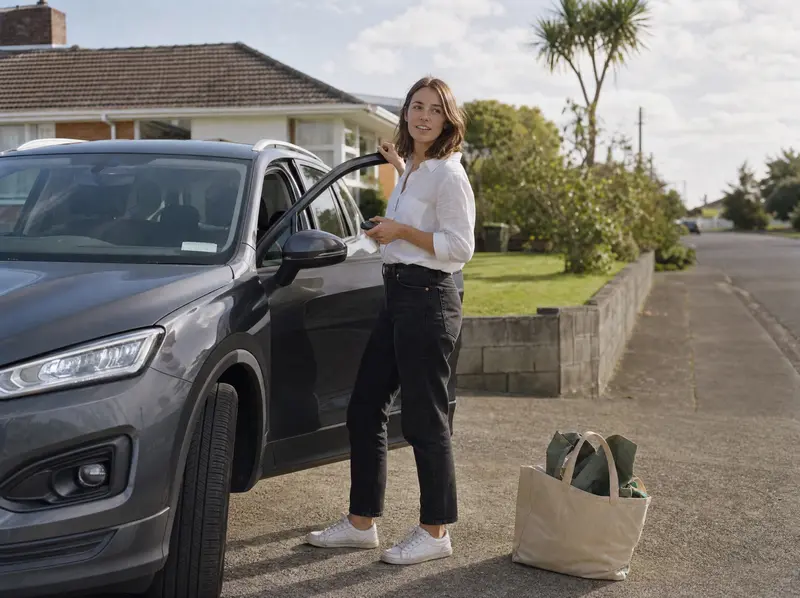
What is car insurance?
Car insurance covers the financial cost of accidents, theft, fire, and natural disasters. ACC handles personal injury. That is all it does. Car insurance picks up everything else: damage to your vehicle and your legal liability for damage you cause to other people's property. Three tiers exist: comprehensive, Third Party Fire and Theft, and Third Party only.
Nobody is legally required to carry it. But driving without insurance means you carry the full financial risk yourself. At fault in an accident? You are personally liable for the other party's repair costs. An uninsured driver hits you and you have no protection? You have to chase them yourself. Vehicle written off or stolen? No government scheme will replace it. Whether you drive a new SUV, a commuter hatchback, or a modified import, and whether you use it for daily commuting or Uber, we can find a policy that fits. The right level of protection matters more than chasing the cheapest premium.
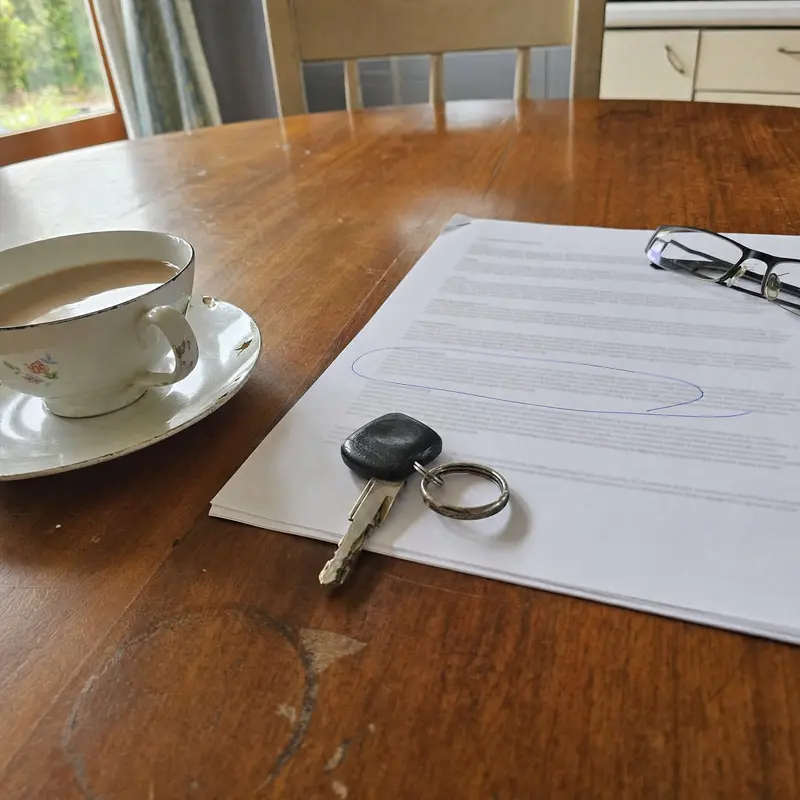
The policy wording decides what happens after a crash, not the ad that sold it.
Cover Levels
Types of car insurance
Three levels: Third Party only, Third Party Fire and Theft, and comprehensive. Which one you need depends on your vehicle's value, your financial situation, and how much risk you are willing to sit with.
Third Party only
The most basic level. Third Party only covers your legal liability for damage you cause to someone else's vehicle or property. Your own vehicle? Not covered, regardless of who is at fault. If an uninsured driver hits you, you would need to pursue them personally for costs.
What is covered
- Damage to other people's vehicles
- Damage to third-party property (fences, buildings, etc.)
- Legal liability cover
Best suited for
Older or lower-value vehicles where paying for comprehensive would cost more than the car is worth. Also works for drivers on a tight budget who want legal liability protection at minimum.
Third Party, Fire and Theft
Everything in Third Party only, plus protection if your vehicle is stolen or damaged by fire. Collisions and weather damage are not covered. Think of it as the middle ground.
What is covered
- All third-party liability cover
- Theft of your vehicle
- Fire damage to your vehicle
- Attempted theft damage
Best suited for
Mid-value cars where the owner wants theft and fire cover but does not want to pay for full comprehensive. Popular with budget-conscious drivers who still want more than basic liability.
Comprehensive car insurance
The highest level of protection you can get. Comprehensive typically covers accidental damage, theft, fire, vandalism, weather, and natural disasters. Total loss or write-off? You receive either the agreed value or market value payout, depending on your policy. Many comprehensive policies also include a hire car while yours is being repaired. Some cover trailers being towed as well.
What is covered
- All Third Party and fire/theft cover
- Accidental damage (collision, reversing, etc.)
- Windscreen and glass replacement
- Keys and locks replacement
- Child car seats replacement after an accident
- Hire car / replacement car (varies by policy)
- Roadside assistance (where included)
Best suited for
New cars, financed vehicles (most lenders require it), and higher-value cars. Also suits any driver who could not afford to repair or replace out of pocket. With many policies, windscreen repairs do not affect the no-claims bonus, though this varies between insurers. By far the most popular choice for drivers in Auckland, Wellington, and Christchurch.
Quote online in minutes. No-obligation advice from a broker.
Side by Side
What does car insurance cover?
Here is what each level typically includes. Exact inclusions vary between insurers, which is why it pays to have a broker read through the policy wording before you sign.
| Cover feature | Third Party only | Fire and theft | Comprehensive |
|---|---|---|---|
| Third-party property damage | Yes | Yes | Yes |
| Legal liability | Yes | Yes | Yes |
| Theft of your vehicle | No | Yes | Yes |
| Fire damage | No | Yes | Yes |
| Accidental damage (own vehicle) | No | No | Yes |
| Windscreen and glass | No | No | Yes |
| Keys and locks replacement | No | No | Yes |
| Hire car / replacement car | No | No | Optional |
| Roadside assistance | No | No | Varies |
| Trailer cover | No | No | Optional |
| Agreed value option | No | Varies | Yes |
Many insurers also have a network of approved repairers, which helps keep repair quality consistent.
Usage Rules
Does delivering for Uber Eats void your car insurance?
Food delivery driving is not covered by private car insurance. Insurers either exclude courier and delivery work outright or suspend your cover while you are delivering, so an accident on a delivery run can be declined even when the rest of your policy is in perfect order.
The exclusion catches people because the policy carries on quietly in the background. Premiums keep coming out, and nothing surfaces until a claim lands on the wrong side of the usage rules. If you deliver food, drive for a rideshare platform, or use the car in any way that earns money beyond your commute, tell your insurer before you start. Cover for delivery work exists, it just has to be arranged for that use.
| How the car is used | Private policy position |
|---|---|
| Commuting to and from work | Covered |
| Occasional work errands | Usually covered |
| Regular business use (sales calls, carrying trade goods or tools) | Needs to be declared as business use |
| Food delivery (Uber Eats, DoorDash and similar) | Not covered |
| Rideshare or taxi driving | Not covered, needs a specialist policy |
| Vehicle hire, driving instruction for pay, motor trade | Not covered |
Exact usage definitions differ between policy wordings, so confirm your own use class before relying on the pattern above.
What do you need if you use your car for work?
Work use splits three ways. Commuting is covered by every private policy. Regular business use, such as sales visits or carrying your trade tools and stock, needs to be declared so the policy is issued for business use. Delivery, taxi, hire and motor trade work sit outside both and need their own arrangement.
Kapi Insurance sorts the use class as part of arranging your cover, so the policy matches how the car earns its keep. Tradie utes, courier runs and rideshare driving are exactly the situations where a quick conversation up front saves an argument at claim time.
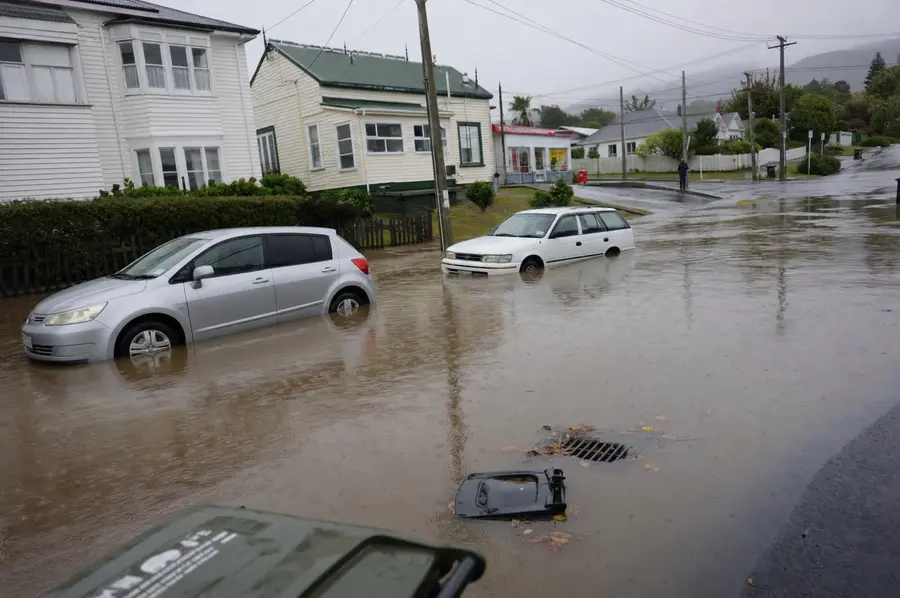
A street of parked cars in the same storm: some claims paid in full, some worth nothing, decided by cover level alone.
Does car insurance cover flood damage?
Comprehensive car insurance covers flood damage as accidental loss, so a car swamped while parked is claimable. Third party and fire and theft policies pay nothing for weather damage to your own vehicle. Driving into floodwater is the exception: a claim can be declined where you knowingly took the risk.
Flooded cars are often total losses even when the water only reached the seats, because modern electronics rarely survive a soaking. On a comprehensive policy the payout follows your agreed or market value, the same as any other write-off. Storm seasons in Auckland and the Bay of Plenty put whole streets of parked cars underwater at once, and every one of those claims turns on which cover level the owner happened to hold.
The floodwater warning is worth taking literally. Policy wordings require reasonable care and exclude reckless acts, and deliberately driving through water deep enough to stall the engine can fall on the wrong side of both. If the road ahead is underwater, turn around. A detour costs minutes, a declined claim costs the car.
The Payout Decision
Agreed value vs market value: which is better?
This decision changes your payout. If the vehicle is a total loss (repair costs exceed its value) or stolen and not recovered, agreed vs market value determines what you walk away with.
Agreed value
You and the insurer lock in a fixed sum when the policy starts. Total loss? You get that amount, minus your excess. Depreciation does not matter.
Advantages
- Certainty - you know exactly what you will receive
- Protects against depreciation
- No disputes about valuation at claim time
Considerations
- - Typically a slightly higher premium
- - The agreed amount needs to be reviewed at each renewal
Market value
The insurer pays what the vehicle is worth at claim time, based on age, condition, mileage, and comparable sales. Simple enough. But the payout might be less than what you originally paid, or less than what you still owe on finance.
Advantages
- Generally lower premium
- No need to set a value upfront
- Suitable for older vehicles where depreciation has already occurred
Considerations
- - Payout decreases each year as the vehicle depreciates
- - Potential for disputes over the assessed market value
- - You may receive less than what you still owe on finance
As a general rule, agreed value works best for newer cars and vehicles with a known replacement cost. Market value tends to suit older cars where the premium saving is worth the trade-off. We review agreed amounts at each renewal so the figure still reflects what it would cost to replace your vehicle today.
Pricing
Factors that affect your car insurance premium
Premiums are based on risk. The more the insurer sees you as a risk, the more you pay. But once you know what drives the price, you can look for ways to bring it down.
- Driver age and experience
- Under 25? Expect higher premiums and possibly an age-related excess on top. Experienced drivers with clean records pay less. Every named driver on the policy is assessed individually, so adding a young driver can bump the cost.
- Where you live and park your car
- Location matters. Areas with higher theft, vandalism, or accident rates push premiums up. Auckland and Wellington typically cost more than rural areas. Garaging the car overnight versus parking on the street makes a real difference too.
- Your car's type and value
- Make, model, year, value. All of these shape your premium. Higher-value vehicles cost more to repair, so they cost more to insure. Cars that are frequent theft targets (our car theft statistics show which models) and performance vehicles also attract higher premiums. Older vehicles kept for their history are priced differently again, which we cover under classic car insurance.
- Your excess amount
- Your excess is what you pay towards a claim before the insurer covers the rest. Set it higher and your premium drops. But can you afford that amount if something happens tomorrow? Young drivers may also cop an age excess on top. Run the numbers before you commit.
- No-claims bonus
- Each claim-free year earns you a premium discount. One at-fault claim can reduce or reset that bonus completely. Some policies offer bonus protection so a single claim does not wipe out years of savings. Worth asking about when you compare options.
- Driving history and fault record
- At-fault accidents, past claims, licence demerit points, convictions. They all count. Clean record? You pay less. And even if your history is not spotless, a broker can still find a policy that covers you properly.
How can you lower your car insurance premium?
Raise your excess, match the cover level to what the car is actually worth, keep your details accurate, and check the policy at renewal instead of letting it roll over. Each of those is a lever you control.
Most people hunting for cheap car insurance are really after one thing: the lowest price that still pays out properly. Chasing the price on its own is how drivers end up underinsured, and you only find out on the day it matters.

-
Set the excess at a number you could actually pay
A higher excess lowers the premium. The catch is that the excess falls due the day you claim, not when it suits you. Pick the highest figure you could cover from savings tomorrow, not the highest figure on the list. Drivers under 25 often carry an age excess on top of the standard one, so check the combined total rather than the headline number.
-
Match the cover level to what the car is worth
Comprehensive cover suits most late-model cars. Once a car is worth very little, third party fire and theft can be the more sensible trade, because the most you can ever recover for your own vehicle is what it was worth. Third party cover still pays for damage you cause to someone else's car, which is usually the far larger bill.
-
Choose between agreed and market value on purpose
Agreed value fixes the payout figure when the policy starts. Market value is whatever the car was worth just before it was damaged. Agreed value usually costs more and removes the argument at claim time. Ask for both before you decide, rather than taking whichever one the form defaults to.
-
Look at the renewal instead of letting it roll over
Premiums move every year, and the policy that suited you three renewals ago may not be priced the same now. Quiet annual increases are easy to miss when the payment just keeps going out. We wrote about how that creeps up over time and what to check before you renew.
-
Make sure the main driver is listed correctly
The main driver is whoever uses the car most, not whoever owns it or pays for it. Putting a parent down as the main driver of a car a teenager actually drives lowers the price and can cost you the claim, which we cover properly in our guide to insuring a young driver. Insurers can decline a claim where the answers given did not match reality. The Contracts of Insurance Act 2024 will put that on a clearer footing once it commences, requiring consumers to take reasonable care not to make a misrepresentation to the insurer. Either way, the safe move is to answer honestly.
-
Ask which discounts still apply to you
Do not assume you have a no-claims bonus. Some large insurers have dropped them from new policies altogether, and among those that still offer one the rules differ: whether a not-at-fault claim affects it, how many claim-free years it takes to reach the top level, and whether it moves with you when you switch insurers.
What Price Tables Never Show
How do you choose between car insurers?
Compare what each policy actually covers, not just the price. The differences that decide whether a policy is any good to you are the excess structure, whether agreed value is on offer, what is included versus sold as an add-on, and whether the insurer will take your situation at all.
Car insurance companies differ far more in their exclusions and excess structures than in their headline prices. Two policies can look almost identical on a comparison table and behave completely differently the day you need one. These are the points worth lining up side by side.
- The excess structure
- Not just the standard excess. Ask which extra excesses can stack on top, particularly for younger or less experienced drivers, and what each one applies to.
- Whether agreed value is offered
- Not every insurer offers agreed value on every vehicle. If certainty about the payout matters to you, this narrows the field quickly.
- Included versus optional
- Towing, roadside assistance and a rental car while yours is off the road are standard on some policies and paid extras on others. That gap is where price differences often come from.
- The exclusions
- The list of what is not covered varies more between insurers than the list of what is. Read that section first, since it is where declined claims come from.
- Whether they will cover you at all
- Modified cars, imports, a driver under 25, or a claim in recent history. Some car insurance companies decline these outright, some load the premium, some barely blink. This is the difference that price tables never show.
- What happens at renewal
- A low first-year price means little if it climbs every year afterwards. Ask how the premium is likely to move and whether any introductory discount drops off.
Consumer Protection puts it plainly in its guidance for New Zealand drivers: do not just go on price, look at what each policy covers. Their car insurance guidance is a good neutral starting point.
Working out which of those differences actually matter for your car and your situation is the job we do. We arrange the cover, then review it with you each year. If you ever need to claim, you deal with your insurer directly. If you would rather do the legwork yourself first, our guide to comparing car insurance properly sets out how to line quotes up so they are actually comparable.
Every car on the street carries a different policy. The differences only surface at claim time.
If It Goes Wrong
What happens if you need to claim?
If your car is damaged, stolen, or in an accident, you contact the insurer directly to lodge a claim. They handle it from there. For repairable vehicles, the insurer arranges repairs, often through their network of approved repairers. Got a hire car benefit on your policy? You may get a replacement vehicle while yours is being fixed.
For a total loss, your payout is based on the agreed or market value in your policy schedule. Many comprehensive policies also replace child car seats that were in the vehicle during the accident.
For a full step-by-step guide, see our guide to making an insurance claim.
Why use a broker for car insurance?
Most people buy car insurance online without talking to anyone. That is fine until you make a claim and discover the policy does not cover what you assumed it did. Kapi Insurance is an Auckland-based insurance broker that works for you, not the insurer. We are legally required to act in your best interests.
-
We find the right policy for your situation
We read the policy wording and recommend protection that fits your vehicle, your circumstances, and your budget. Not just whatever is cheapest.
-
We check the exclusions
Exclusions, excess structures, limitations. We go through them so you know whether windscreen replacement, trailer protection, or hire car benefits are included or cost extra.
-
We spot the gaps
If something is missing from your policy, we flag it before it costs you. An outdated agreed value, an exclusion you did not know about. Better to find out now than at claim time.
-
Annual cover reviews
New car? Moved house? Added a driver? We go through the policy every year to check it still matches how you use the vehicle. We also update agreed values so they stay current.
-
How we're paid
The insurer pays us a commission, and your premium is the same as going direct. The difference is you get independent advice and ongoing support on top.
Bundle and save with your broker
A lot of our clients put car insurance together with other policies. It simplifies things and often unlocks multi-policy benefits. We review the lot in one conversation.
Home Insurance
Protect your property and structure
Contents Insurance
Cover your belongings inside and outside the home
Boat Insurance
Hull, motor and trailer cover for local waters
Motorcycle Insurance
Comprehensive cover for bikes and scooters
EV Insurance
Battery, charger, and write-off cover for EVs
Trailer Insurance
Protect your trailer against theft and damage
Getting Started
How do you get a car insurance quote?
Tell us the vehicle, who actually drives it, where it sits overnight and the claims history for everyone on the policy. We take that to the insurers we work with and come back with options. There is no obligation to take any of them.
What to have handy
- Make, model, year and rego, plus any modifications to the car
- Who drives it most, plus any other regular drivers, their ages and licence types
- Where it is parked overnight: garage, driveway or on the street
- Claims, accidents and driving convictions for every listed driver
- Your current policy and its renewal date, if you already have cover
- Whether you want agreed value or market value
What happens next
- We go through the details and come back on anything missing, since a gap here is what causes trouble at claim time.
- We look at what the insurers we work with can offer for your situation, including the ones that will take a modified car or a younger driver.
- We walk you through the trade-offs in plain terms: the excess, what is included, and what is not covered.
- If you go ahead, we arrange the policy and review it with you each year rather than letting it roll over untouched.
If you ever need to claim, you deal with your insurer directly. Our job is sorting the cover and keeping it right.
FAQ
Common car insurance questions
The questions we hear most from car owners in Auckland, Hamilton, and around the country. If yours is not listed, request a callback and we will get back to you.
Get a Free QuoteDo I need car insurance?
Car insurance is not legally required, but it is strongly recommended. ACC covers personal injuries, not damage to vehicles or anyone else's property. Without a policy, every driver is personally liable for damage they cause. Whether you are in Auckland, Wellington, or Christchurch, if your car is stolen or written off, there is no government scheme to help replace it.
What is the difference between agreed value and market value?
Agreed value locks in a fixed payout when you take out the policy - if the vehicle is a total loss, you receive that amount regardless of depreciation. Market value pays what it is worth at the time of the claim, which decreases each year. Agreed value gives certainty; market value typically has a lower premium. We can help you weigh up the trade-off.
How much excess do I pay on a car insurance claim?
The excess is the amount you pay towards each claim before the insurer pays the rest. Most policies have a standard excess plus an age-related excess for younger drivers under 25. Choosing a higher voluntary excess lowers your premium, but make sure you can afford it if something happens.
What happens if someone else is driving my car?
It depends on the policy type. An any-driver policy covers anyone with a valid licence and your permission. A named-driver policy only covers listed drivers - if an unlisted person has an at-fault accident, the claim may be declined. There is often an additional excess for drivers under 25, regardless of which option you choose.
What happens if an uninsured driver hits my car?
If an uninsured driver damages your vehicle and you only have Third Party protection, you would need to pursue them personally for repair costs. With comprehensive insurance, your insurer typically covers repair or replacement regardless of who is at fault, then recovers costs from the other driver. This is one of the strongest reasons to carry comprehensive.
Does comprehensive car insurance include roadside assistance?
Some comprehensive policies include roadside assistance as standard, while others offer it as an optional add-on. It may cover breakdowns, flat batteries, flat tyres, lockouts, and emergency towing. The level of inclusion varies between insurers, so it is worth checking what is available before you sign up.
Is my car covered if I drive for Uber or ridesharing?
Private car insurance does not cover driving for Uber or other rideshare platforms. Insurers either exclude carrying paying passengers outright or suspend cover while you do it, so a crash on a paid trip can be declined. Specialist rideshare policies do exist - we can source one so the commercial use is properly covered.
Do modifications void car insurance?
Modifications do not automatically void car insurance, but insurers ask about them and expect to be told about changes from the manufacturer's standard specification. An undisclosed modification, such as engine, suspension or chassis work, can mean a declined claim. Tell your insurer about every modification, and check your sum insured includes the value of the work.
Is mechanical breakdown insurance the same as car insurance?
No. Mechanical breakdown insurance (MBI) is a separate product that pays for unexpected mechanical or electrical faults, which car insurance never covers. Car insurance covers accidents, theft, fire and weather. MBI sold at car yards varies widely in quality and Consumer NZ has criticised the value of some add-on policies, so read the exclusions before you sign anything.
Are lost or stolen car keys covered?
Comprehensive policies usually pay to replace keys and recode locks when your keys are lost, stolen or damaged, and some insurers waive the excess on smaller key claims. Third party and fire and theft policies cover stolen keys at best, and often not at all. Check the key benefit and its limit in your policy wording.
Is windscreen cover automatic or an add-on?
Glass cover is built into comprehensive policies, but the excess treatment differs. Some insurers repair chips excess-free and charge an excess on a full replacement. Fully excess-free glass cover is usually an optional extra you pay for, so check which arrangement your policy has before you need it.
Can I get car insurance on an overseas licence?
Yes. Insurers cover drivers holding a current, valid overseas licence, though an extra excess can apply until you have around two years of driving history. An overseas licence is only valid for 18 months from your last arrival, and from 1 November 2026 that window drops to 12 months. Convert to a New Zealand licence before it ends, because an expired overseas licence means driving unlicensed, and a claim can be declined.
Why use a broker instead of going direct?
Kapi Insurance works for you, not the insurer. We find the right policy, read the fine print, and review everything annually as your circumstances change. The insurer pays us a commission when we arrange your cover, and your premium is the same as going direct.
Find out if you are properly covered
Most people think they have the right insurance. Then they need it. Tell us what you drive and how you use it. We will come back with a straight answer on what you need and what it should cost. No obligation.
No obligation.