Resources
Insurance loyalty tax
Are you paying too much for staying loyal?
Staying with the same insurer for years and renewing without checking has a predictable result: there's a good chance you're paying more than someone who just signed up for the exact same cover.
People call it the "loyalty tax." It's one of the most common ways Kiwis end up overpaying for their car insurance, house insurance and contents insurance.
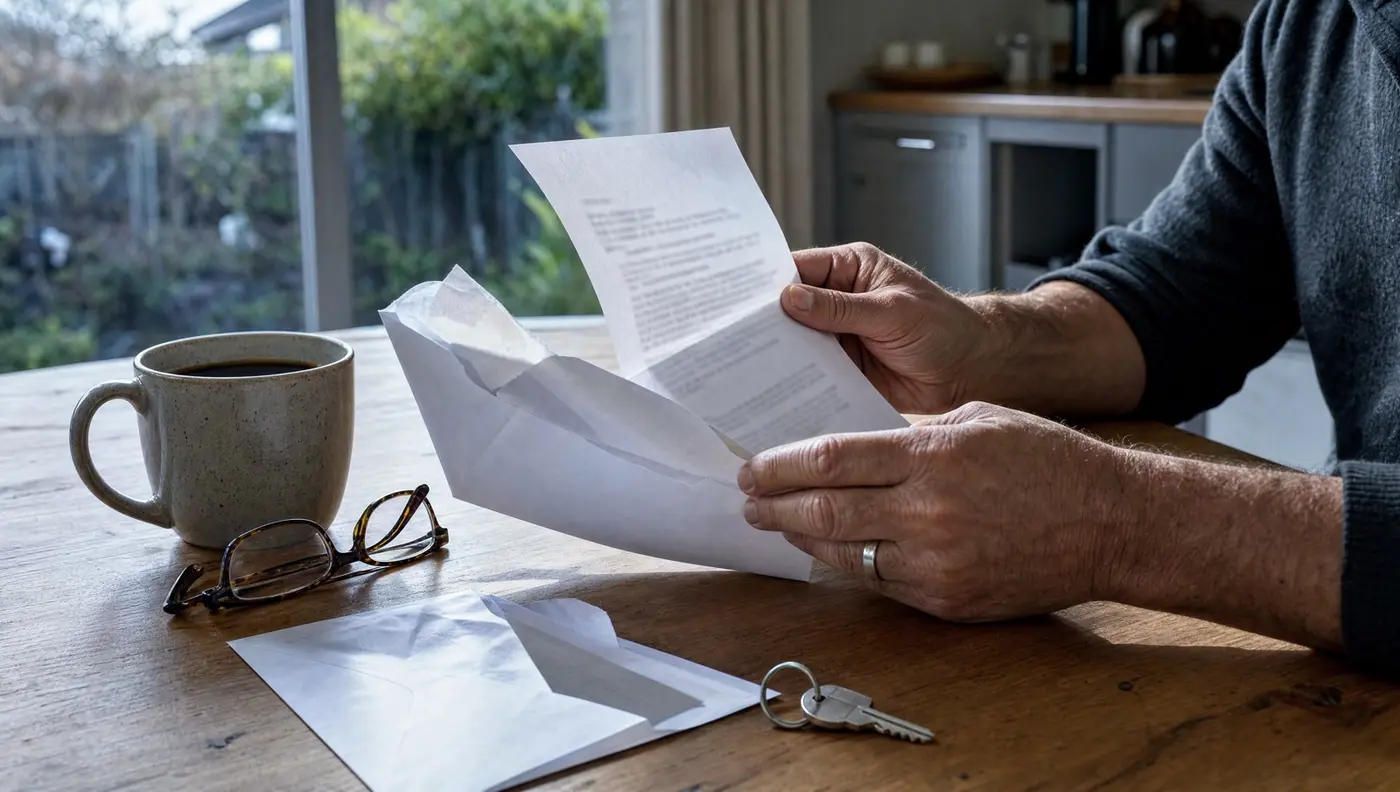
The Renewal Gap
What is the insurance loyalty tax?
The insurance loyalty tax is not a literal tax. It is the gap between what long-term customers pay and what new customers pay for the same cover. The loyalty tax affects every type of policy.
Over the years, costs on your policies creep up through small annual increases that go well beyond inflation or any change in your risk. Meanwhile, insurers roll out competitive introductory pricing to attract new sign-ups.
Renew without shopping around and you can end up paying noticeably more than someone who just switched to that same insurer for the same level of coverage.
Why does the insurance loyalty tax happen?
Insurers know most people don't shop around at renewal time. You set up your car or home cover once, let it auto-renew, and never look at it again. Insurers count on that.
At the same time, they compete hard for new customers. Lower introductory premiums, cashback deals, waived excesses. Those sweeteners cost money, and the cost gets subsidised by existing customers who don't switch.
Market-wide rises make the gap harder to spot. Stats NZ's consumers price index recorded vehicle insurance prices rising 22.6 percent in the year to March 2024, driven by reinsurance costs and severe weather, and every renewal letter in the country went up with them. By mid-2026 the same index shows vehicle insurance prices roughly flat. So a renewal that keeps climbing now is no longer just the market moving.
The loyalty tax is not unique to New Zealand, but Kiwis feel it hard. Whether you're in Hamilton or Dunedin, the pattern is the same.
Run the Numbers
How do I check if my insurance costs are too high?
You won't always spot it on the renewal letter. Here are some practical ways to find out whether you're paying a loyalty tax.
-
Compare your renewal to last year
Pull out your renewal notice. Compare the premium to what you paid twelve months ago. If the cost went up and nothing about your circumstances changed, call your insurer and ask them to explain the increase.
-
Get a new-customer quote from your own insurer
Go to your insurer's website and get a quote as if you were a brand new customer. Use the same details. If that new-customer price comes in lower than your renewal for the same coverage, you're paying a loyalty tax.
-
Get quotes from other insurers or use a comparison tool
Compare your renewal premium against quotes from other providers. The key here is comparing like for like: same coverage levels, same excess, same sum insured. A comparison tool or broker can help you see what else is available.
-
Ask a broker to review your policies
A broker will look at all your current policies and tell you straight whether you're paying a fair price for the cover you're getting. No guesswork needed on your end.
Annual percentage change in the CPI class, quarterly, March 2016 to June 2026. Source: Stats NZ consumers price index, level 3 classes. Hover or tap the chart to read any quarter.
Annual change in Stats NZ CPI insurance classes, 2016 to 2026. The market-wide surge of 2023 and 2024 has flattened out, so a renewal that keeps climbing now deserves a closer look.
The Fix
How do you avoid the insurance loyalty tax?
Good news: the loyalty tax is completely avoidable. You just have to do something most people never bother with.
Shop around at every renewal
This is the single most effective thing you can do. Compare your renewal costs with quotes from other providers. Even if you stay put, a competing quote gives you a stronger hand when you negotiate the price on your existing policies.
Call and negotiate
Premiums gone up? Pick up the phone. Most insurers have retention teams with the authority to offer discounts to customers who are considering leaving. It won't always work, but it costs nothing to ask.
Don't auto-renew without checking
Set a calendar reminder a few weeks before your renewal date. That window gives you time to review your policies, check the costs, and shop around if the numbers don't look right. Auto-renewal is the mechanism insurers rely on. Don't hand it to them.
Use a broker
Kapi Insurance reviews your cover and pricing every year as part of the service. If you're overpaying, we'll tell you. If better options exist, we'll find them. No hassle on your end. Learn more about how brokers work.

The agreed value can move down on the schedule in the same year the premium moves up. Nobody rings to tell you.
Why should you check the schedule, not just the premium?
The renewal schedule can change more than the price, and the other changes arrive silently. Agreed values are the big one. Standard wordings set the agreed value when the policy begins and again at each renewal, which means the payout figure on your car can be moved down at the same time the premium moves up. Nobody rings to tell you. The new figure simply appears on the schedule.
The fix takes two minutes a year. Put last year's schedule next to this year's and compare four numbers: the agreed value or sum insured, the excess, and any sub-limits that matter to you. If the agreed value has dropped and you think the vehicle is worth more, say so before you pay, because the figure is negotiable at renewal and fixed the day after.
Sums insured on house policies drift too, usually upward through automatic indexing. That direction is safer, but it is still worth confirming the number reflects your actual rebuild cost rather than a formula.
Price vs Cover
Should you switch insurers on price alone?
Overpaying is bad. But switching purely on price can leave you worse off. A cheaper car insurance policy might carry a higher excess. A lower-cost contents policy might not cover your belongings properly if flooding or an earthquake hits.
Compare the cover, not just the premium. Check the sum insured, excess amounts, exclusions and any special conditions. The cheapest policy is rarely the best value if it doesn't pay out when you need it. For your home especially, the real cost of underinsurance only becomes clear after a disaster.
This is where a broker earns their keep. We look at the full picture, not just the price tag.
FAQ
Common questions about the loyalty tax
Short answers to the questions we hear most about renewal pricing. If yours is not covered, ask us directly.
Get a Free Quote- What is the insurance loyalty tax?
- The insurance loyalty tax is not a literal tax; it is the gap between what long-term customers pay and what new customers pay for the same cover. Insurers price to win new business and rely on existing customers renewing without checking, and the gap grows each year you do.
- Does getting insurance quotes affect my record or premium?
- No. Getting quotes does not affect your premium or your insurance record, and there is no credit-check equivalent for general insurance quotes in New Zealand. You can compare at every renewal, and against your own insurer, at no cost beyond the time it takes.
- Can my agreed value go down at renewal without me asking?
- Yes. Standard wordings set the agreed value when the policy begins and again at each renewal, so the figure can be moved down while the premium moves up. The change appears on the renewal schedule, not in a phone call, which is why the schedule is worth reading every year.
- How often should I shop around for insurance?
- At every renewal. Quotes are only valid for a short window, so there is no way to bank a good price early; the practical rhythm is to compare in the last few weeks before each renewal date, using identical cover levels, excesses and sums insured so the numbers mean something.
Find out if your insurance costs are too high
Get a free, no-obligation quote from Kapi Insurance. We'll look at what you're paying now and tell you straight whether there's a better deal available.