Worth More Than You Think
Contents insurance in New Zealand
Protect everything in your home
Your home contents are worth more than you think. Furniture, electronics, clothing, jewellery, phones, laptops. Add it all up and the total will surprise you. We help renters and homeowners get the right contents insurance with new-for-old replacement cover, whether you are in an Auckland apartment, a Wellington flat, or a Christchurch family home.

What is contents insurance?
Think about what you would pack into a truck if you moved house. Furniture, electronics, appliances, clothing, jewellery, kitchenware, personal effects. Contents insurance protects all of it. It is separate from home insurance, which covers the physical structure of your house itself.
No law says you need contents insurance. But going without it is a serious financial gamble. If fire, flood, burglary, or storm damages your home and destroys your belongings, you pay to replace every piece of furniture, every appliance, and every personal item out of your own pocket. Most people drastically underestimate the total replacement cost of everything inside their house.
A standard contents insurance policy covers fire, theft, storm damage, water damage, vandalism, and power outage. Food spoilage after a power cut is a common contents claim. Many policies also include accommodation costs if your home becomes uninhabitable after an insured event, plus personal liability if someone is injured at your property.
Common exclusions include gradual damage, general wear and tear, and mechanical or electrical breakdown. Items left in unattended vehicles are typically excluded unless noted in your policy wording. Your broker can walk you through every exclusion so there are no surprises at claim time.
One change many Kiwis missed: EQC no longer covers contents. The Earthquake Commission (now the Natural Hazards Commission Toka Tū Ake) stopped covering household contents for natural disaster damage from 1 July 2019. Your contents policy is now your only cover for natural hazard damage to your belongings, which makes holding one more important, not less.
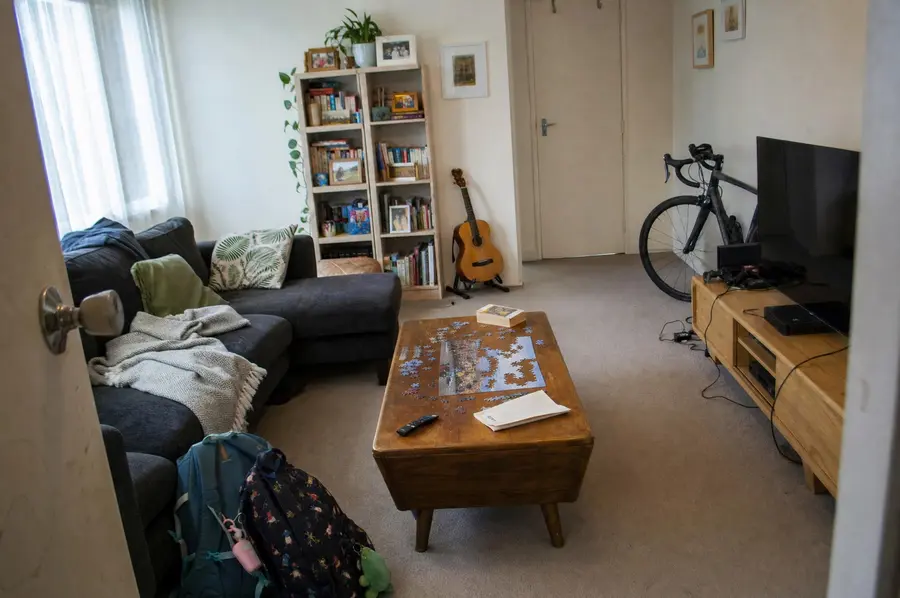
Everything in this room that would go in a moving truck is contents, priced at replacement cost.
Coverage
What does contents insurance cover?
Everything inside your home that you would take if you moved house.
-
Furniture and appliances
Sofas, dining tables, beds, mattresses, fridges, ovens, washing machines, dryers, and all other household furniture and whiteware. Furniture is almost always the largest single category by value. Get the replacement cost wrong here and it throws off your whole sum insured.
-
Electronics and devices
Televisions, laptops, desktop computers, tablets, mobile phones, gaming consoles, cameras, and audio equipment. Consider specifying high-value items like a laptop or expensive phone individually, as this may provide broader cover including accidental damage and loss away from home.
-
Clothing and personal effects
Your wardrobe, shoes, bags, spectacles, prescription sunglasses, and everyday personal belongings. Price it all at replacement cost and it adds up faster than you'd expect. A decent winter jacket alone can run $300 or more.
-
Jewellery, watches and valuables
Engagement rings, watches, necklaces, earrings, and bracelets. Sub-limits apply to specific item categories, and these are often lower than people expect. Your broker can explain what these are and whether listing items individually makes sense for your situation.
-
Theft and burglary
Belongings stolen from your home, garage, or car are covered under most contents policies at replacement cost. Burglary is one of the most common contents claims, particularly in Auckland where theft rates are highest; our burglary statistics put numbers on it. Specified items like a laptop, phone, or jewellery may be covered for theft anywhere. Check the policy wording for exclusions around unattended vehicles.
-
Fire, storm and water damage
Damage from fire, lightning, explosion, storm, hail, flood, and burst pipes. If your house becomes uninhabitable after a covered event, your policy may also cover temporary accommodation costs while repairs are completed.
-
Personal liability
If someone is injured at your home or you accidentally damage another person's house or property, many contents insurance policies include personal liability cover. This is especially important for renters who could face claims from their landlord for damage to the house.
-
Portable cover and travel
Specified valuables may be covered on the go, including items in temporary storage during a move or renovation. Cover outside the home varies between policies, so check the conditions with us.
Want the finer detail? Our guide to what contents insurance covers breaks down the exclusions and the per-item caps on jewellery, cameras and gear that catch people out. Renting rather than owning? Contents insurance for renters covers the same belongings plus tenant's liability for damage to the property itself.
The cover people forget
Does contents insurance include personal liability cover?
Contents insurance includes personal legal liability cover, typically $1 million to $2 million for accidental damage you cause to someone else's property, and up to $20 million on some policies. The cover applies to you as a person, wherever the accident happens in New Zealand, not just to your belongings.
That single benefit changes the maths on the whole policy. Your belongings might be worth $20,000, but the policy stands behind you for accidents where the bill lands in the hundreds of thousands. Legal defence costs are usually paid on top when the insurer agrees to defend a claim. Limits for accidental injury to another person are smaller and vary more between insurers, partly because ACC already covers personal injury in New Zealand.
Renters get a second layer from the same section. Careless damage to the home you rent can fall on you under the Residential Tenancies Act, and the liability cover in a contents policy is what responds. Our guide to contents insurance for renters covers how that works in a flat. One caveat: wordings differ on exactly what liability is included and excluded, so check yours or ask us to.
Where personal liability cover can step in
An overflowing bath or a burst washing machine hose damages the apartment below yours
You ride your bike into a parked car and dent a panel
Your dog injures a visitor or wrecks a neighbour's property
You carelessly damage the house you rent, within your policy's tenant liability terms
Liability for cars sits with your car insurance, not contents. Each policy wording sets its own exclusions.
Is contents insurance worth it if your stuff is only worth a few thousand dollars?
Contents insurance is usually still worth weighing up with modest belongings, because the policy carries more than replacement cover. Personal liability protection, contributions towards temporary accommodation after an insured event, and natural disaster cover for your belongings all come with even a small contents policy.
The liability limit does not shrink because your sum insured is small. A policy covering $15,000 of second-hand furniture carries the same liability protection as one covering a fully furnished family home. And since EQC stopped covering contents in 2019, a private policy is the only natural hazard cover your belongings have. Keen to see what a small policy looks like for your situation? Get a free quote and we will talk it through.
Getting the number right
How much home contents cover do you need?
Underinsurance is the single biggest problem we see in contents insurance. Your sum insured falls short of what it would cost to replace everything, and you end up covering the gap out of your own pocket after a claim. It happens more often than you would expect.
Use a contents calculator
The most reliable way to calculate your home contents value is to go room by room through your house. For each item, estimate the replacement cost at today's prices. Not what you paid. Not the second-hand value. Our free contents insurance calculator walks you through this process room by room, with NZ-average values pre-filled to speed things up. Run through it yourself first, then let us review the figures with you.
Start with the big furniture in each room: bed frames, sofas, dining tables, whiteware. Then add electronics (laptops, phones, TVs), valuables (jewellery, watches), clothing, linen, kitchenware, tools, and garden equipment. The garage, the shed, the storage cupboard under the stairs. Do not skip those. Smaller items add up to a surprisingly large number when you put them all together.
We can also provide a valuation guide and double-check your contents calculator result so nothing gets overlooked.
Replacement value vs indemnity
When you take out contents insurance, you choose between two types of cover: replacement value (new-for-old) and indemnity value.
Replacement value pays the cost of replacing your damaged or lost item with a brand new equivalent. Say fire destroys a five-year-old TV in your lounge. Replacement cover pays for a new TV of the same type and quality. Simple. This is the option most brokers recommend for home contents.
Indemnity value pays the current market value, factoring in depreciation. For that same TV, indemnity would pay what a five-year-old model is worth today. That is considerably less than buying a new one. Indemnity premiums are cheaper, yes, but the gap between what you get paid and what you need to spend on a replacement can sting, especially for furniture and electronics.
For most people, replacement value is the better choice. The premium difference is modest compared to the potential shortfall after a major loss, and we can walk you through which option makes sense for your situation.
Specified vs unspecified items explained
Most people assume their engagement ring is fully covered. It usually is not. Not unless you have listed it specifically on the policy. This distinction between specified and unspecified items catches more people out than any other part of a contents policy.

Any single item worth more than the per-item sub-limit needs its own listing on the policy.
Unspecified items
Unspecified items are your general belongings covered as a group under your total sum insured. You do not need to list each item individually. However, each unspecified item is subject to a sub-limit, which is the maximum payout per item set by your insurer.
Sub-limits are often lower than people expect. If you have a phone, laptop, or camera worth more than the applicable sub-limit and it is not specified, you may only receive the sub-limit amount rather than the full replacement cost. We can tell you exactly which sub-limits apply to your policy.
Specified items
Specified items are individually listed on your policy with their own agreed replacement value. They are covered up to that amount regardless of the sub-limit, and typically receive broader cover, which may include accidental damage and loss outside the home.
Valuables that should usually be specified include engagement rings, expensive watches, art, collectibles, cameras, musical instruments, mobile phones, laptops, and prescription spectacles.
A good rule of thumb: if losing the item would cause real financial pain, it should be specified. We can help you work out which items need listing and sort out valuations if you need them. Keep your specified items list current, especially after major purchases.
For renters
Contents insurance for renters
If you rent, contents insurance is arguably more important than for homeowners. Student flat in Wellington. Apartment in Auckland. Family rental in Dunedin. It does not matter. Without your own policy, you are fully exposed if your belongings are damaged, destroyed, or stolen. And there is another risk most renters do not think about: being held liable for accidental damage to a house you do not own.
The policy itself works the same way as for homeowners. You choose a sum insured that reflects the total replacement value of your belongings, pick between replacement value or indemnity cover, and specify any high-value items. Renter policies cover the same risks at a smaller scale. Many also include accommodation costs if the rental becomes uninhabitable after an insured event.
Why landlord insurance does not cover you
We hear this one all the time: "My landlord has insurance, so I am covered." You are not. Your landlord's home insurance covers the house structure and fixed fittings. Nothing you own falls under that policy. Fire rips through the kitchen? The landlord's insurer pays for the rebuild. Your fridge, your laptop, your couch? That is on you, unless you have your own contents policy.
Tenant liability
Many contents insurance policies for renters include personal liability cover. Left a tap running and flooded the bathroom? Put a hole in the wall? That is the kind of thing personal liability handles. Under the Residential Tenancies Act, a tenant who carelessly damages the property is liable for up to four weeks' market rent or the landlord's insurance excess, whichever is lower. Personal liability cover in your contents policy helps protect you when those situations come up.
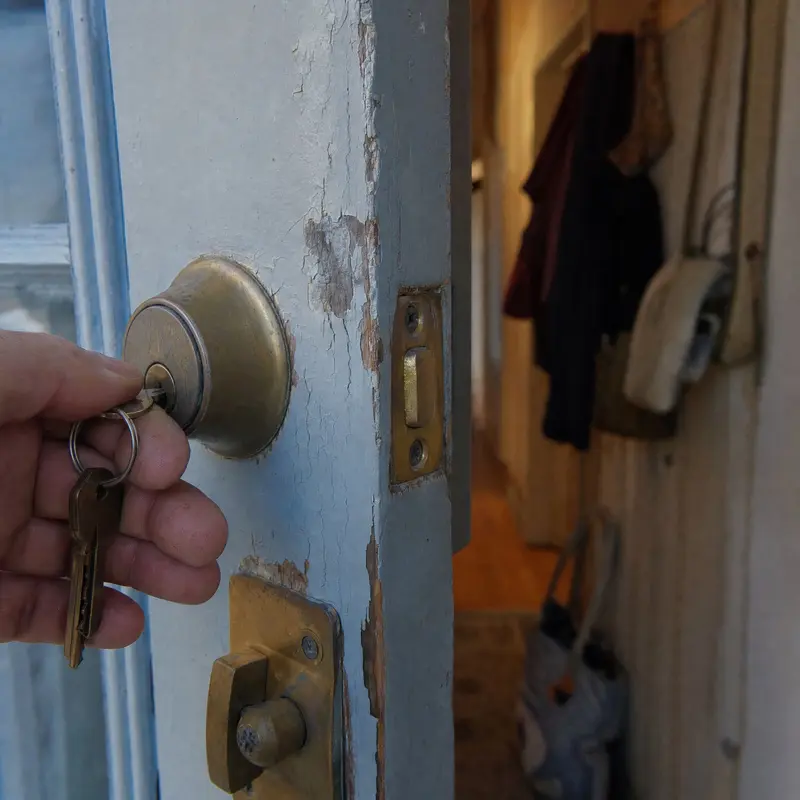
Deadlocks and window locks can lower the premium, and some insurers require minimum security for valuables cover.
Key points for renters
Your landlord's home insurance covers the house, not your personal belongings inside it
Personal liability cover (included in many policies) can protect you if you accidentally damage the rental property
Many policies cover accommodation costs if the rental home becomes uninhabitable after an insured event
Flatmates (or roommates) and shared houses - each person can take out their own individual contents policy
Natural disaster cover for contents comes from your private policy. EQC (now the Natural Hazards Commission) stopped covering contents from 1 July 2019
Pricing
Factors that affect your contents insurance premium
Several things affect what you pay for contents insurance: where you live, what you own, and how you have used insurance in the past. Some of these you can control. Others you cannot.
-
Sum insured
The total amount you insure for has the biggest impact on your premium. Walk through the house and estimate the replacement cost of everything. Do not underinsure just to save a few dollars a month. If your sum insured falls short, you will not receive enough to replace everything you own.
-
Location
Where you live matters. Auckland and Hamilton have higher burglary rates. Wellington and Christchurch carry greater earthquake exposure. Coastal areas in Tauranga and the Bay of Plenty face flood risk. A lifestyle block and an urban apartment sit at different risk profiles, so premiums differ too.
-
Excess amount
The excess is the amount you pay towards each claim before the insurer pays the rest. Higher excess means lower premiums, but more out of pocket when you claim. It is a trade-off. We help you find the balance between what you are comfortable paying per claim and what you want to pay per year.
-
Security features
A house with alarm systems, deadlocks, window locks, and security cameras may qualify for lower contents insurance premiums. Some insurers require minimum security standards for cover to apply, particularly for expensive items like jewellery and watches.
-
Claims history
Your previous claims history affects your premium. A clean claims record may help you access better rates. Some insurers offer no-claims bonuses that reduce your premium over time if you do not make any claims.
-
Type of cover
New-for-old cover costs more than indemnity, and specifying individual items like jewellery and phones adds to the premium. But the extra cost per month is usually small compared to the improved payout you receive at claim time.
Working With Us
Why use a broker for contents insurance?
You can buy contents insurance directly from an insurer. Plenty of people do. But Kapi Insurance works for you, not for the insurance company. That distinction matters most at three points: valuing your belongings accurately, understanding the real meaning behind the policy wording, and keeping your cover up to date as your life changes.
- Accurate valuation guidance
- We help you verify the correct sum insured so you are neither underinsured nor paying for cover you do not need. We go room by room, category by category, and flag the things people commonly forget.
- Policy tailored to your home
- Replacement value or indemnity? What excess level? Which items need specifying? We recommend the right combination for your situation and walk you through the policy wording so you understand every exclusion and limit. No two homes are identical.
- We explain what's covered and what's not
- Insurance policies are full of exclusions, conditions and sub-limits. We read the fine print and explain what is and is not covered so there are no surprises.
- Ongoing policy reviews
- You buy new furniture. You inherit jewellery. You move house. Life changes, and your policy needs to keep up. We review your cover regularly so the sum insured and specified items stay current.
The insurer pays us a commission when we arrange your cover, and your premium is the same whether you buy directly or through us. What you get on top is professional advice and ongoing support. Get a quick quote through our online form.
FAQ
Common contents insurance questions
The questions renters and homeowners ask us most about contents cover. If yours is not here, request a callback and we will get back to you.
Get a Free QuoteWhat is the difference between replacement value and indemnity cover?
Replacement value (new-for-old) pays the cost of replacing your item with a brand new equivalent at today's prices. Indemnity cover pays the current market value, factoring in depreciation. Here is a quick example: a five-year-old appliance is destroyed. Under replacement value, you get a brand new one. Under indemnity, you get what the old one was worth. Replacement value costs more in premiums, but the difference at payout time is significant.
Does my landlord's insurance cover my belongings?
No. Your landlord's policy covers the building - walls, roof, fixtures. Your belongings inside are your responsibility.
What are specified and unspecified items?
Unspecified items are your general belongings covered as a group under the total sum insured, subject to a per-item sub-limit set by your insurer. Specified items are individually listed with their own agreed replacement value. Specifying removes the sub-limit and usually provides broader cover, which may include accidental damage and loss outside the home. Valuables that commonly need specifying include jewellery, watches, phones, laptops, art, and cameras. Your broker can explain what sub-limits apply to your policy and which items need their own listing.
Does contents insurance cover natural disasters?
Yes, through your private policy. EQC (now the Natural Hazards Commission Toka Tū Ake) stopped covering household contents from 1 July 2019, so your contents policy is now your only cover for natural hazard damage to belongings. A standard contents policy covers earthquake, natural landslip, volcanic eruption, hydrothermal activity, and tsunami damage, usually with its own natural disaster excess. Check your policy wording.
How do I work out how much contents cover I need?
Use a contents calculator and price everything at today's replacement cost - not what you paid. Most people are 20-40% under when they first try. We can check the numbers with you.
Can I take out contents insurance if I live in a flat or shared house?
Yes. Each person can take out their own policy to cover their own belongings. You only insure what belongs to you. Some insurers offer joint policies for couples.
Does contents insurance cover my mobile phone or laptop?
Contents insurance typically covers mobile phones, laptops, and other electronics against theft, accidental damage, and natural disasters while they are in your home. Specifying expensive phones and laptops individually may provide full replacement cover, including loss and accidental damage on the go. Sub-limits apply to specific item categories, and your broker can explain what these are.
Can I use a contents calculator to work out my sum insured?
Yes, most insurers offer an online contents calculator that walks you through the house starting with the big-ticket rooms. It is a solid starting point for estimating your total replacement cost. We can then review your figures, catch anything you missed, and confirm the sum insured is accurate.
Doesn't the Consumer Guarantees Act already cover my appliances?
The Consumer Guarantees Act and contents insurance solve different problems. The CGA makes the retailer put things right when a product is faulty or fails sooner than it reasonably should. Contents insurance covers events: theft, fire, flood, storm and accidental damage. A fridge that dies from a defect is a CGA claim with the shop. A fridge killed by a power surge or a flood is an insurance claim.
Does bundling home, contents and car insurance save money?
Bundling can earn a multi-policy discount with some insurers, and it is worth asking about when you get quotes. Compare the total cost and the cover quality across the bundle though, not just the discount, because a discounted package can still cost more than the best individual policies. We line both options up for you.
You might also need
If you own your house, you will also need home insurance to cover the structure alongside your contents insurance. Many clients also bundle car insurance for a complete home and vehicle package. We also arrange boat, motorcycle and trailer insurance.
-
Home Insurance
Protect your property and structure
-
Car Insurance
Comprehensive, third-party, or fire and theft
-
Boat Insurance
Hull, motor and trailer cover for local waters
-
Motorcycle Insurance
Comprehensive cover for bikes and scooters
-
Trailer Insurance
Protect your trailer against theft and damage
Protect everything inside your home
Everything inside your home adds up to more than you think. Let us check that it is all covered properly.
Get a free quote and we will walk you through your sum insured. No surprises when it matters.
No obligation.