Campervans & Caravans
Campervan insurance Auckland
Cover for motorhomes, converted vans, and towed caravans
Your campervan is not just a vehicle. It is a kitchen, a bedroom, a lounge, and sometimes a full-time home. A standard car insurance policy does not account for the solar panels on the roof, the lithium batteries under the bed, or the $40,000 custom fitout behind the driver's seat. And if you tow a caravan instead, most people do not realise that their car policy covers the car but not the trailer behind it.
Kapi Insurance arranges cover for campervans, motorhomes, and caravans through our insurer panel. We look at what the vehicle is worth including the fitout, how you use it, and where it lives when you are not on the road. Then we find the right policy and go through the wording so nothing catches you off guard at claim time.
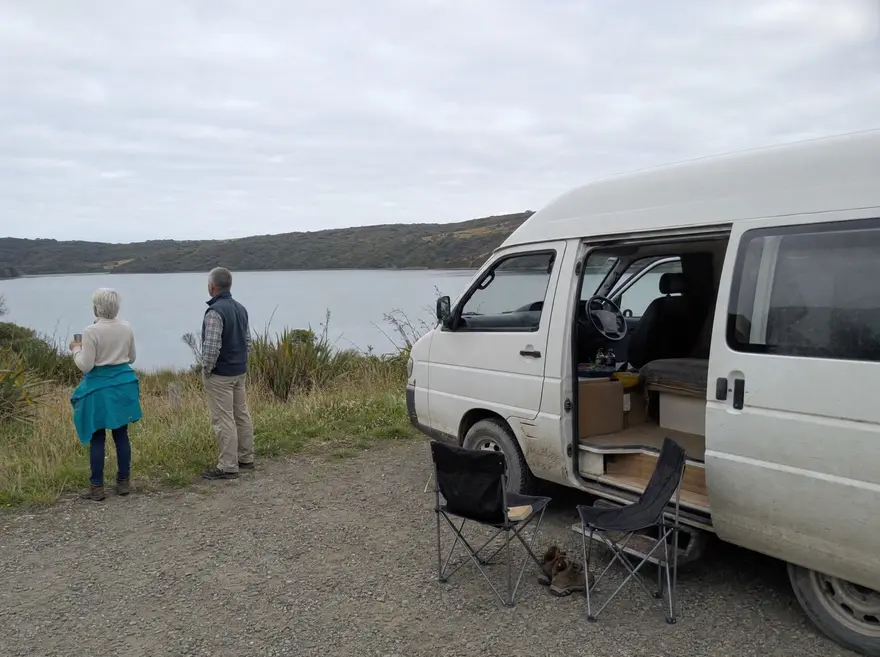
The Basics
What is campervan and caravan insurance?
Campervan insurance is a motor vehicle policy that covers a self-propelled campervan or motorhome, including its fitout. Caravan insurance covers a towed caravan under a trailer or specialist caravan policy. A campervan (or motorhome) is a self-propelled vehicle with living quarters built in. It carries its own engine, registration, and warrant of fitness. Insurers treat it as a motor vehicle, the same category as a car or truck, and it sits under a motor vehicle policy with the same three tiers: Third Party, Third Party Fire and Theft, and comprehensive.
A caravan has no engine. You tow it. That puts it in the trailer category from an insurance perspective, and it gets covered under a trailer policy or a specialist caravan policy. Some insurers bundle caravan cover with contents insurance for the belongings inside. Others treat the caravan structure and its contents as separate line items. The distinction matters because claims work differently, excess structures differ, and the risks are not the same.
Common campervans on NZ roads include Toyota HiAce conversions, Mercedes Sprinter builds, Fiat Ducato motorhomes, and imported Japanese campervans from brands like Toyota Coaster and Mitsubishi Delica. On the caravan side, you will see Jayco, Bailey, and Adria alongside a thriving market for vintage caravans that owners restore and personalise. Each type carries different replacement costs, parts availability, and risk profiles that feed into how the policy is structured.
New Zealand's freedom camping culture adds a layer that most other countries do not deal with. Freedom camping on public land is restricted to certified self-contained vehicles by default, and since 7 June 2026 that certification means a green certificate issued under the government system regulated by the Plumbers, Gasfitters and Drainlayers Board. The old blue NZS 5465 warrant cards are no longer valid for freedom camping. The NZMCA (New Zealand Motor Caravan Association) runs a nationwide network of member parks and advocates for responsible camping. Whether you are freedom camping on the Coromandel or staying at a powered site in Queenstown, the insurance implications change based on how long the vehicle sits unattended and where it is parked.
Two Different Policies
Campervan vs caravan: different vehicles, different cover
People use "campervan" and "caravan" interchangeably. Insurers do not. The type of vehicle determines the policy structure, the excess, the claims process, and even which insurer can write the cover. Here is how they compare.
Campervans and motorhomes
Self-propelled. Has its own engine, WoF, and registration. Insured as a motor vehicle under the same policy framework as cars. The sum insured needs to include the base vehicle and the full fitout value, which is where most people get caught short.
- Motor vehicle policy (same as car/truck)
- Requires WoF and registration
- On-road accident risk is the primary exposure
- Fitout value can exceed the base vehicle value
- Theft is a major risk, especially in tourist areas
- Full-time living is possible but affects policy terms
Caravans (towed)
No engine. Towed behind a car, ute, or SUV. Insured as a trailer, not a motor vehicle. Your tow vehicle's insurance does not cover the caravan itself. If the caravan detaches and rolls into a ditch, you need a separate caravan policy to cover the damage.
- Trailer or specialist caravan policy
- Not covered under your car insurance
- Wind damage while parked is a common claim
- Theft from storage yards and driveways
- Contents inside may need separate cover
- Vintage caravans need specialist valuation
If you own both a campervan and a caravan, they sit on different policies. Bundling them through a broker keeps the admin simple and can open up multi-policy pricing. We handle both and review each policy at renewal to keep the sum insured current.
Cover Levels
Types of campervan insurance available
Campervan policies follow the same three-tier structure as car insurance. Which level fits depends on the vehicle's value, your fitout investment, and how much you could afford to replace out of pocket. Caravan policies have similar tiers, though the structure varies by insurer.
Third Party only
Covers your legal liability if your campervan or caravan damages someone else's vehicle, fence, building, or other property. Your own vehicle is not covered for repairs or replacement. If a tree falls on your campervan at a DOC campsite, you pay for that yourself.
Typically covers
- Damage to other people's vehicles
- Damage to third-party property (fences, buildings)
- Legal liability cover
Best suited for
Older campervans or caravans with low market value where the cost of comprehensive cover outweighs the replacement cost. Also works as a baseline for budget-conscious owners who still want liability protection.
Third Party, Fire and Theft
Everything in Third Party only, plus cover if your campervan or caravan is stolen or damaged by fire. Campervans are high-value theft targets, and gas bottle fires in older conversions are not unheard of. This tier fills a real gap without the cost of full comprehensive.
Typically covers
- All third-party liability cover
- Theft of your campervan or caravan
- Fire damage
- Attempted theft damage
Best suited for
Mid-value vehicles where theft is the main concern. Common choice for caravans stored at parks or on driveways, and for campervans kept in secure storage between trips.
Comprehensive insurance
The full package. Covers accidental damage from collisions, theft, fire, vandalism, weather, and storm events. For campervans with a significant fitout investment, this is where agreed value really pays off. If the van is written off, you receive the agreed amount rather than a depreciated market value that ignores the $60,000 you spent on the interior. Some policies bundle roadside assistance and temporary accommodation. Others list those as add-ons.
Typically covers
- All third-party and fire/theft cover
- Accidental damage (collision, rollover)
- Weather and storm damage
- Vandalism
- Fitout and modifications (declared)
- Windscreen and glass damage
- Roadside assistance
Best suited for
Newer campervans, vehicles with custom fitouts, financed motorhomes, and any van where the replacement cost would be hard to absorb. The most common choice we see for converted Sprinters, Ducatos, and full-size motorhomes.
Quote online in minutes. No-obligation advice from a broker.
Side by Side
What does campervan insurance cover?
This table shows what is typically included at each tier. Exact inclusions vary between insurers and between campervan and caravan policies. That is exactly why we review the policy wording with every client.
| Cover feature | Third Party only | Fire and theft | Comprehensive |
|---|---|---|---|
| Third-party property damage | Yes | Yes | Yes |
| Legal liability | Yes | Yes | Yes |
| Theft of vehicle | No | Yes | Yes |
| Fire damage | No | Yes | Yes |
| Accidental damage / collision | No | No | Yes |
| Weather / storm damage | No | No | Yes |
| Vandalism | No | No | Yes |
| Fitout and modifications | No | Varies | Yes |
| Windscreen / glass | No | No | Yes |
| Contents inside vehicle | No | No | Optional |
| Roadside assistance | No | No | Optional |
| Temporary accommodation | No | No | Optional |
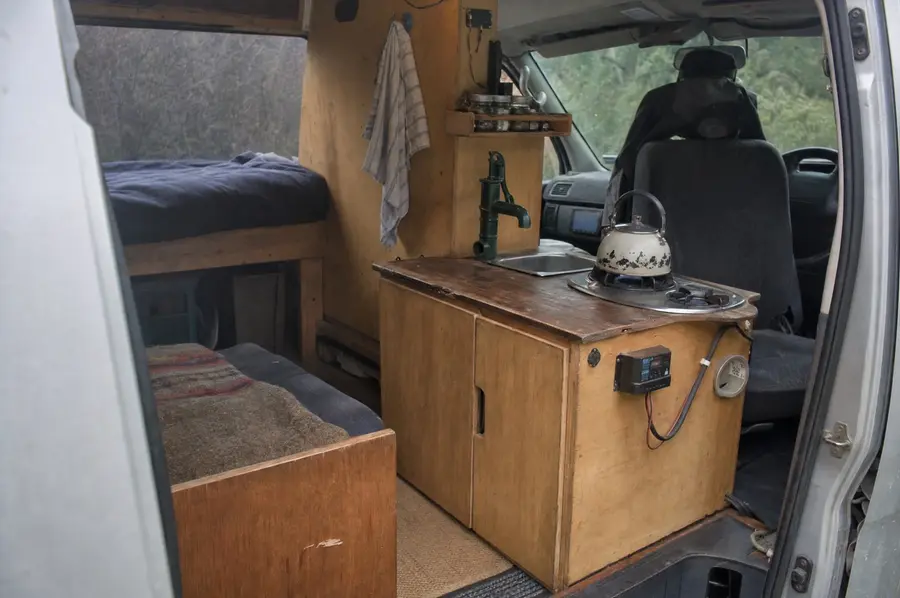
The fitout counts towards the vehicle's sum insured. Loose gear on board sits under a separate contents limit.
Do you have to tell your insurer you live in your campervan full-time?
Yes. Living in your campervan or motorhome full-time changes the risk the policy was priced on, and policy conditions require you to disclose any change in circumstances. An insurer who finds out at claim time, rather than from you, can decline the claim for non-disclosure.
Full-time living means the vehicle is occupied around the clock, the fitout works harder, and far more personal property lives on board than a weekend setup. Mainstream motor policies were not written with that in mind, and some exclude permanent living altogether. Specialist campervan insurers take the opposite view: they accept full-timers, and some offer additional contents cover when the vehicle is your permanent place of residence, on top of the standard personal effects limit.
Kapi Insurance asks about full-time living up front, because it decides which insurers can quote at all. If your living situation changes after the policy starts, tell the insurer straight away. Losing a claim over an easy phone call is the worst outcome in this corner of insurance.
The Payout Decision
Should a self-converted campervan be insured for agreed value?
Agreed value is usually the right call for a converted van. Market value on a self-converted campervan reflects what a buyer would pay for the base vehicle plus a conversion they did not choose, which is routinely far less than the money and labour that went into the build. Agreed value locks in a figure you both sign up to before anything goes wrong.
A 15-year-old van with $40,000 of fitout can carry a market value not far above the bare van's worth. Insure it on market value and a write-off pays you for the van, not the build. Specialist campervan insurers offer agreed value based on your purchase price or a written valuation, and one holds that agreed figure for up to five years. Expect to supply a purchase agreement for newer vehicles or a recent valuation from an approved valuer for older ones.
The same logic applies to declaring the conversion itself. Solar, lithium batteries, cabinetry and heaters only count if the insurer knows about them, so build a fitout schedule with receipts and photos before you insure, not after a claim. If you tow a caravan as well, the valuation question repeats there, and our trailer insurance page covers how towed units are valued.
Quick heads up: this is general info to help you get your head around it, not advice about your exact situation. What is actually covered comes down to your policy wording, so give it a read or flick us a message and we will talk it through.
Pricing
What affects your campervan or caravan insurance premium?
Premiums reflect the risk profile of the vehicle, where it is kept, and how it is used. Knowing what drives the cost up gives you room to work with when the quote comes through.
- Vehicle age and value
- A brand new Fiat Ducato motorhome worth $180,000 costs more to insure than a 2005 Toyota HiAce conversion worth $25,000. But value is not just about the base vehicle. The fitout adds significantly, and insurers want that fitout value declared and documented. Older vehicles may be harder to source parts for, which affects repair costs and claim outcomes.
- Where it is stored
- A campervan parked in a locked garage or behind a security gate is cheaper to insure than one sitting on the street or in an open yard. Caravans are often kept at caravan parks, commercial storage facilities, or on the driveway. Each storage type carries a different risk rating. If you have secure storage, tell your insurer. It brings the premium down.
- Usage pattern
- Weekend getaways, month-long South Island road trips, or full-time living. Each pattern carries different exposure. A campervan driven daily racks up more kilometres and sits in more car parks than one that comes out six weekends a year. Seasonal use versus year-round matters too. Some policies offer lay-up periods for vehicles stored over winter, reducing the premium for months when the van is off the road.
- Modifications and fitout
- Solar panels on the roof. A 200Ah lithium battery system. Diesel heater. Custom cabinetry. Composting toilet. Pop-top roof conversion. These modifications can add $20,000 to $80,000 or more to a campervan's value. Every single one needs to be declared and valued. Skip that and you are underinsured. We help you build a complete fitout schedule so the policy reflects the real replacement cost.
- Security
- Campervans are high-value theft targets. A fully kitted-out Sprinter is worth more than many cars, and it can be driven away. Wheel clamps, steering locks, GPS trackers, immobilisers, and secure parking all reduce your risk profile and can bring premiums down. Caravans benefit from hitch locks and wheel clamps. If you have security fitted, make sure the insurer knows about each device.
- Driver experience
- Your age, licence type, driving history, and no-claims bonus all feed into the premium. Drivers under 25 pay more. A clean record with years of claim-free driving brings it down over time. If multiple people drive the campervan, each named driver gets assessed. Towing experience matters for caravan owners too, though it is factored into the tow vehicle policy rather than the caravan policy itself.
FAQ
Common campervan and caravan insurance questions
These are the questions we get asked most by campervan and caravan owners across New Zealand. From weekend travellers in Tauranga to full-timers on the road year-round. If yours is not here, request a callback and we will be in touch.
Get a Free QuoteDo I need insurance for a campervan in NZ?
There is no legal requirement to insure a campervan in New Zealand. ACC covers personal injury from motor vehicle accidents, but it pays nothing towards repairing or replacing your vehicle. If you crash into someone's fence, car, or building, you are personally liable for every cent of the damage. Campervans carry extra risk because they often contain tens of thousands of dollars in fitout, electronics, and personal belongings. Driving uninsured means absorbing all of that yourself.
What is the difference between campervan insurance and caravan insurance?
A campervan is a self-propelled motor vehicle. It gets registered, warranted, and insured under a motor vehicle policy, the same policy type used for cars and trucks. A caravan is a towed trailer with no engine. It is typically insured under a trailer or specialist caravan policy, sometimes bundled with contents cover for the items inside. The risks differ too. Campervans face on-road accident risk, while caravans are more exposed to wind damage while parked, theft from storage yards, and towing incidents. We arrange both through our insurer panel, but the policies work quite differently.
Does my car insurance cover towing a caravan?
Your car insurance covers your car while towing, but it does not cover the caravan itself. If you jack-knife on the Rimutaka Hill Road and the caravan rolls off the shoulder, your car policy pays for the car. The caravan damage? That is on you unless you have a separate caravan policy. Some car policies may cover third-party liability arising from the trailer, but the caravan's own damage and contents are never included. You need a dedicated caravan or trailer insurance policy for that.
Are modifications and fitout covered?
They can be, but only if you declare them. A custom campervan fitout with solar panels, a lithium battery bank, diesel heater, bespoke cabinetry, and a composting toilet can easily add $20,000 to $80,000 or more to the vehicle's value. If you do not tell the insurer about those modifications, you will be underinsured and any claim payout will reflect the base vehicle value only. We work with you to get every modification itemised and properly valued so the sum insured matches what replacing the van would cost.
Can I get insurance for a campervan I live in full-time?
Yes, but you must tell the insurer, and not every insurer offers it. Full-time living changes the risk the policy was priced on, and policy conditions require you to disclose any change in how the vehicle is used. Keep quiet about it and a claim could be declined for non-disclosure. Specialist campervan insurers do accept full-timers, and some offer additional contents cover when the vehicle is your permanent place of residence. We find the policies that accept full-time living and make sure the sum insured reflects the fitout value and everything you keep on board.
Can you insure a self-converted campervan that is not certified self-contained?
Yes. Self-containment certification is a freedom camping requirement, not an insurance requirement. Insurers assess a self-converted van on the conversion itself: the modifications must be declared, comply with Waka Kotahi (NZTA) rules where applicable, and be valued realistically. One specialist wording covers modifications provided they do not increase the vehicle's performance and you give the insurer full details within 30 days of completing them. Without a green self-containment certificate you cannot freedom camp in restricted areas, but the van can still be insured.
Are loose contents like laptops and camping gear covered, or only fitted items?
Fitted items such as cabinetry, solar panels, battery systems and awnings form part of the vehicle's sum insured. Loose contents sit under a separate personal effects or contents limit, and that limit is where people get caught. Specialist campervan policies typically include somewhere between $3,000 and $10,000 of contents cover automatically, with per-item caps on things like laptops and cameras, and common exclusions for jewellery, watches and cash. If you carry expensive gear, check the per-item caps against what you own, and check whether your home contents policy covers items away from home.
Does travel insurance cover the excess on a rental campervan?
Often it does not. The rental vehicle excess benefit in many travel policies either excludes campervans and motorhomes outright or caps eligibility by vehicle weight, with some wordings only counting campervans up to 4.5 tonnes as a rental vehicle. Read the definition of rental vehicle in the travel policy before you decline the rental company's daily excess reduction fee. If the travel policy does not cover motorhome excess, standalone rental excess products exist that do. Getting this wrong can leave you exposed for the full excess, which on rentals commonly runs into the thousands.
Does campervan insurance cover freedom camping?
Standard campervan policies cover you while parked in legal locations, including freedom camping sites where your vehicle meets local council rules. If your campervan holds a current green self-containment certificate (the government certification that fully replaced the old blue NZS 5465 warrant cards on 7 June 2026), you can legally freedom camp where self-containment is required. Insurance does not change based on where you park, as long as you are parked legally. What matters more is whether the policy covers theft, vandalism, and weather damage while the vehicle sits in a remote spot overnight. Check the policy wording for any exclusions around unattended vehicles.
What happens if my campervan breaks down in a remote area?
Roadside assistance is sometimes included with comprehensive campervan policies, but coverage varies. Remote breakdowns on the West Coast, Haast Pass, or inland Canterbury can be expensive to recover from. Towing a large motorhome out of a ditch costs far more than towing a car. Some policies cap recovery costs or exclude certain remote roads. If you travel off the beaten track regularly, we check the roadside assistance terms and recommend add-ons where the standard cover falls short.
Why use a broker for campervan or caravan insurance?
Campervans and caravans sit in an awkward space between standard motor vehicle cover and specialist policies. The fitout value, modifications, usage patterns, and storage arrangements all affect what policy type fits and what sum insured you need. Going direct to one insurer means you only see their products. Kapi Insurance compares options across multiple insurers, finds the gaps in policy wording, and makes sure the cover matches how you use the vehicle. We also handle the paperwork at renewal and review the sum insured each year so it keeps pace with your fitout.
One Broker, Every Policy
Other insurance you might need
Most campervan and caravan owners insure other vehicles and property too. Bundling policies through a broker keeps everything in one place and can open up multi-policy benefits.
Car Insurance
Comprehensive, third-party, or fire and theft
Home Insurance
Protect your property and structure
Contents Insurance
Cover your belongings inside and outside the home
Boat Insurance
Protection for your boat on and off the water
Trailer Insurance
Cover for your trailer on the road and at home
Motorcycle Insurance
Motorbikes, scooters, and mopeds
Find out if your campervan or caravan is properly covered
Most owners insure the base vehicle and forget the fitout. Or assume their car policy covers the caravan being towed behind it. Tell us what you own, how it is built out, where you store it, and how you use it. We come back with a straight answer on what cover fits and what it should cost. No obligation.
No obligation.