For Renters
Renters insurance
Your landlord's policy does not cover your stuff.
Renting in Auckland, flatting in Wellington, boarding in Christchurch. Wherever you live, your landlord's insurance protects the building. Not your furniture. Not your laptop. Not the clothes in your wardrobe. If something goes wrong, replacing everything comes out of your own pocket.
Contents insurance for renters changes that. We arrange policies that cover what you own, including tenant's liability protection if you accidentally damage the rental property.
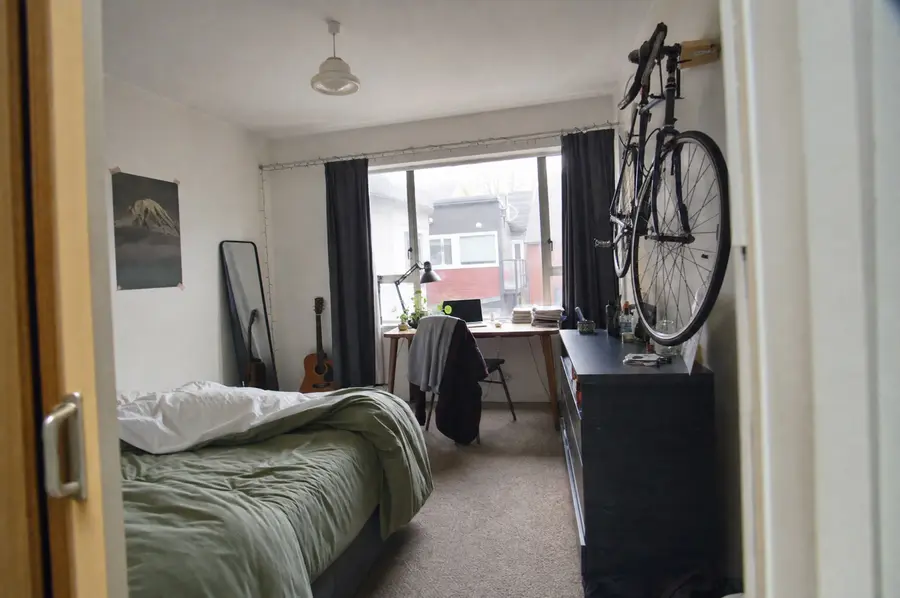
The landlord's policy stops at the walls. Everything inside this room is the tenant's to insure.
What your landlord's insurance does not cover
Your landlord has insurance. Good for them. But that policy covers the building itself: walls, roof, wiring, plumbing, fixtures. The moment you walk through the front door with your couch, your TV, and a van full of boxes, none of that is on their policy.
Think about what happens when a pipe bursts in the ceiling. Water pours through your lounge. The landlord's insurer pays to fix the ceiling and replace the carpet. Your sofa? Your bookshelf full of textbooks? Your gaming setup? That is your problem.
Same story with a break-in. Someone kicks in the back door and takes your bike, your laptop, and your partner's jewellery. The landlord's insurer covers the broken door. Everything that was stolen is on you.
This catches a lot of tenants off guard. Since August 2019, the Residential Tenancies Act has required landlords to state in the tenancy agreement whether the property is insured and what the excess is. That statement is about their cover, not yours. There is no legal requirement for tenants to hold contents insurance, which is part of why so many renters go without it.
Coverage
What renters insurance covers
A contents policy for renters works the same as any contents insurance. Here is what a standard policy protects.
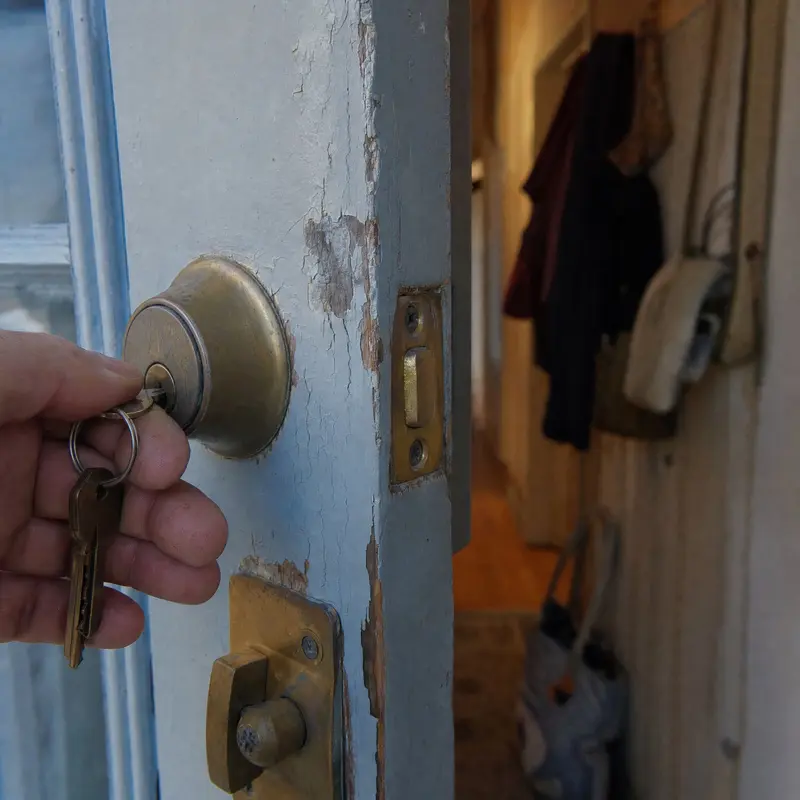
Theft cover is written around forced entry, so check the wording on unlocked doors and windows.
Theft and burglary
If someone breaks into your rental and takes your belongings, your policy pays to replace them. This covers forced entry, but check the wording around unlocked doors and windows.
Fire and smoke
House fires destroy everything. Even a small kitchen fire can ruin appliances, furniture, and clothing through smoke damage alone. Your policy covers the cost of replacing damaged contents.
Storm and flood
Heavy rain, high winds, fallen trees. Storm damage to your belongings is covered under most policies, though flood definitions vary between insurers. We check the wording so you know where you stand.
Accidental damage
You knock your TV off the wall. Your toddler pours juice into the laptop. Accidental damage cover protects against the mishaps that are part of daily life. Some policies include this by default, others offer it as an add-on.
Tenant's liability
This is the big one for renters. If you cause damage to the rental property, your landlord can hold you responsible. A cooking fire, an overflowing bath, a hole in the wall. Tenant's liability cover pays for the damage to the building so you do not face a bill from your landlord.
Temporary accommodation
If the rental becomes unliveable after an insured event, many policies cover your temporary living costs. Hotel, short-term rental, or staying elsewhere while repairs happen.
Belongings away from home
Your phone stolen from a cafe. Your bike taken from a rack at the train station. Many policies offer portable cover for items you carry outside the house, though high-value items may need to be specified individually.
Pricing
What drives the cost of renters insurance
A lot of renters assume contents insurance is expensive because they have never priced it. The actual premium is set by the insurer once they know your sum insured, your location, and your excess. Two flats on the same street can land at different premiums for the reasons below.
- Sum insured
- The total replacement value of everything you own. Most renters undercount badly. The higher this number, the higher the premium.
- Location
- A central Auckland apartment carries a different risk profile to a quiet suburb in Christchurch. Postcode, building type, and security features all feed in.
- Excess
- A higher excess lowers your monthly premium. The trade-off is you pay more towards each claim. We can run both options with you.
- Claims history
- Prior claims, even with other insurers, affect what you are quoted. Be upfront. Non-disclosure can void a future claim.
The right question is not "what is the cheapest policy" but "what does this premium actually cover when something goes wrong". We arrange the cover, read the wording, and explain the exclusions before you sign anything.
Learn From Others
Common mistakes renters make
We see the same issues come up again and again when tenants arrange their contents cover. Here are the ones that catch people out.
- Undervaluing your belongings
- This is the most common mistake. People guess their stuff is worth $20,000 to $30,000. Then they go room by room and the real figure lands between $50,000 and $80,000 or higher. Clothing alone can run into the thousands. Add in kitchen appliances, bedding, furniture, and electronics and the number climbs fast. Underinsurance means your claim payout falls short when you need it most.
- Not listing flatmates correctly
- If you share a flat, your insurer needs to know who lives there. Some policies require all occupants to be named. Others cover only the policyholder's belongings. Getting this wrong can void a claim. We check that your flatmate arrangement is properly documented on the policy.
- Forgetting specified items
- E-bikes, cameras, musical instruments, watches. Any item worth more than the policy's per-item sub-limit needs to be listed individually. If you do not specify it, the payout is capped at the sub-limit, which is often $2,500 to $3,000. A $4,000 e-bike sitting under a $3,000 sub-limit means a $1,000 shortfall.
- Assuming the landlord covers you
- This one keeps coming up. The landlord has insurance, so tenants assume their things are covered. They are not. The landlord's policy covers the building and their fixtures. Your belongings are not on that policy and never will be.
- Not updating after moving
- You move from a ground-floor flat in Hamilton to a third-floor apartment in Wellington. Different address, different risk profile, different premium. If you do not update your insurer, your claim could be denied or reduced because the address on the policy does not match where you live. Tell your broker or insurer the day you move.
Should flatmates share one contents policy?
Separate policies work better than a shared one for most flats. A standard contents policy only covers the policyholder and family members who live with them, so your flatmate's belongings sit outside your cover no matter how long you have lived together. Some insurers will write a joint policy for a flat, but then one person manages the account and every claim runs through them.
Separate policies keep things clean. You set your own sum insured, you control your own claim, and if a flatmate moves out your policy does not change. Student flats in Wellington and Dunedin, professionals sharing in Auckland, couples in Christchurch: the same logic holds.
One exclusion to know about before you rely on any flat policy: theft by a flatmate, or by anyone staying in the home, is excluded under standard wordings. Cover for theft is aimed at break-ins by outsiders, not at the people you gave a key to. And when the insurer asks who lives at the address, answer accurately. Wrong answers on the application can undermine a claim later.
What happens if you damage the rental?
Careless damage to a rental is capped by law. Under the Residential Tenancies Act, a tenant who carelessly damages the property is liable for the cost of the damage up to four weeks' rent or the landlord's insurance excess, whichever is lower. On an Auckland flat that can still be a few thousand dollars, and damage caused intentionally, or through an imprisonable offence, carries the full cost with no cap.
Tenant's liability cover picks up the bill when you are legally responsible. Most contents policies fold it into their legal liability section, which commonly covers up to $2 million. The burnt bench from a cooking mishap, the overflowing bath that ruins the ceiling below: your policy responds instead of your savings.
The liability cover matters well beyond the flat itself. The same section responds if you accidentally damage someone else's property or injure someone, and that exposure has no four-week cap. For plenty of renters, the liability cover is worth more than the cover on their stuff.
FAQ
Renters insurance questions
The questions tenants and flatmates ask us most. If yours is not here, request a callback and we will get back to you.
Get a Free QuoteDo renters need insurance in NZ?
Your landlord's insurance covers the building, not your belongings. If your furniture, electronics, or clothing are damaged by fire, flood, or theft, you have no cover unless you hold your own contents insurance policy. It is not legally required for tenants, but going without means replacing everything out of pocket.
What does renters insurance cover?
A standard contents policy for renters covers theft, fire, storm damage, flood, accidental damage, and natural disasters. Many policies also include tenant's liability (protecting you if you accidentally damage the rental property), temporary accommodation if the home becomes unliveable, and portable cover for belongings you take outside the home.
How much does renters insurance cost?
The premium is set by the insurer once they know your sum insured, your location, your excess, and your claims history. There is no flat rate for renters cover in New Zealand, and two flats on the same street can land at different premiums depending on the building, the security features, and how much your belongings are worth. A broker compares options across insurers so you see the actual quotes side by side.
Does my landlord's insurance cover my belongings?
No. Your landlord's policy protects the building structure, their fixtures, and their chattels. Your furniture, electronics, clothing, and personal items are not included. You need your own contents insurance policy to cover what you own.
Can flatmates share a contents insurance policy?
Most contents policies only cover the policyholder and family members who live with them, so a standard policy will not cover a flatmate's belongings. Some insurers offer joint policies for couples or flatmates, but separate policies are usually simpler: each person sets their own sum insured and controls their own claims.
What is tenant's liability cover?
Tenant's liability cover pays when you are legally responsible for accidental damage to the rental you live in, such as a cooking fire or an overflowing bath. Most contents policies include it within their legal liability cover, which commonly runs to $2 million.
If I carelessly damage my rental, does contents insurance cover it?
Contents insurance usually covers a tenant's liability for careless damage to the rental through its legal liability section. Under the Residential Tenancies Act, your liability for careless damage is capped at four weeks' rent or the landlord's insurance excess, whichever is lower. Intentional damage carries full liability and is not insurable.
Is theft by a flatmate or their guests covered?
Theft by a flatmate is excluded under standard contents policies. Wordings typically exclude theft or deliberate damage by anyone renting, living or staying in your home. A break-in by a stranger is covered; a flatmate walking out with your PlayStation is not. Police and the Disputes Tribunal are the routes for that.
Do I have to tell my insurer who lives in my flat?
Insurers ask who lives at the address because occupants change the risk, and you need to answer those questions accurately. Giving wrong or incomplete answers can put a future claim at risk. If your flatmate situation changes, tell your insurer or broker so the policy stays accurate.
Does contents insurance cover pet damage in a rental?
Pet damage cover varies more than most people expect. Several comprehensive policies cover one-off pet accidents, and one major wording only excludes pet scratching and chewing at homes the policyholder does not live in. Budget policies often exclude pet damage entirely, so check your wording before assuming either way.
Can a student stay covered under their parents' contents policy?
Most contents policies extend to a family member studying away from home, but the extension is narrower than full cover. Caps of around $5,000 per student are common, and theft cover often requires forcible entry to the room or building. A student moving into a private flat usually needs their own policy.
What happens to my contents cover if I sub-let?
Sub-letting changes your cover, so tell your insurer before anyone moves in. Theft or deliberate damage by anyone renting or staying in your home is excluded under standard wordings, and some policies add an extra excess while the home is let or used for paid stays.
Are my belongings covered if I move flats?
Yes. Most contents policies cover your belongings during the move, including transit between addresses. You do need to update your insurer with your new address as soon as you move, because location affects your premium and your risk profile. Your broker can handle the address change for you.
Why use a broker for renters insurance?
Kapi Insurance reads the policy wording for you, checks that your sum insured is accurate, and makes sure you are not missing cover like tenant's liability. Brokers earn a commission from the insurer, and the premium is the same as going direct. What you get is someone who works for you, not the insurance company.
Related pages
Renters insurance is contents insurance tailored to people who rent. For a full breakdown of how contents cover works, including specified items, replacement value, and sum insured calculators, see our contents insurance page. The same sub-limits apply to renters, so it is worth reading what contents insurance covers before you settle on a sum insured. If you also drive, bundling car insurance with your contents policy can simplify renewals.
Get contents cover for your rental
Your belongings are worth more than you think. We will check your sum insured, explain the policy wording, and make sure tenant's liability is included.
Quick quote, no obligation.
No obligation. Policies underwritten by trusted NZ insurers.