Resources
What contents insurance covers
And the limits that catch people out.
Contents insurance sounds simple. It covers your stuff. The catch is in the detail: what counts as "contents", what gets left out, and the quiet per-item limits that mean your wedding ring or camera might be covered for far less than it is worth.
Here is what a typical New Zealand contents policy covers, what it does not, and the bits worth checking before you ever need to claim.

What does contents insurance actually cover?
Contents insurance covers the things you would take with you if you moved house. If they are lost, stolen or damaged by something like fire, storm or a break-in, your insurer pays to repair or replace them, up to the sum insured you set.
The easy test: if you tipped the house upside down, anything that fell out is contents. Furniture, beds, the TV, your clothes, kitchen gear, tools, sports equipment, jewellery, artwork. Appliances count too, as long as they are not built in, wired in or plumbed in. A freestanding dishwasher is contents. The one plumbed under your bench is part of the house.
Most policies also cover you anywhere in New Zealand, not just inside your four walls, and throw in a few extras like personal liability if you accidentally damage someone else's property.
Usually counts as contents
- ✓ Furniture, beds and soft furnishings
- ✓ TVs, computers, phones and gadgets
- ✓ Clothes, shoes and personal effects
- ✓ Whiteware that is not plumbed or wired in
- ✓ Jewellery, watches and art (within limits)
- ✓ Tools, bikes and sports gear
- ✓ Carpets, curtains and light fittings you own
The Exclusions
What is not covered?
Contents insurance pays out for sudden, accidental events. It is not a maintenance plan. The big exclusions are the slow, predictable kinds of damage that come from age, neglect or the way you use something, plus a handful of items insurers carve out by default.
- Slow damage and wear
- Wear and tear, depreciation, rust, rot, mould and gradual deterioration are out. If your couch faded over five years or your deck slowly rotted, that is on you, not the insurer.
- Pets and pests
- Insect and vermin damage is excluded almost everywhere. Pet damage is less uniform: many policies exclude it, but some comprehensive wordings cover one-off pet accidents at the home you live in. The puppy-chewed sofa leg comes down to your specific policy.
- Business and renovations
- Business stock and equipment usually needs its own cover. So does damage that happens during building work or renovations, unless you have arranged cover for it first.
- Empty homes and vehicles
- Leave a home unoccupied for more than about 60 days and cover can lapse. Motor vehicles are excluded too, since they belong on a car policy.
Exclusions vary between insurers. The Insurance Council of New Zealand keeps a plain-language rundown of common exclusions if you want the full list.
The sub-limits that catch people out
Here is the part most people miss. Even with a healthy sum insured, your policy quietly caps how much it will pay for certain valuables per item. Go over that cap and you are covered for the limit, not what the thing is actually worth.
These figures are a guide, not a rule. Every insurer sets its own caps, and some tie the total to a percentage of your sum insured. The point stands: an engagement ring worth $8,000 sitting under a $2,500 cap leaves you $5,500 short the day it goes missing. That is exactly the gap a quick policy read, or a chat with us, sorts out before it bites.
| Item | Typical unspecified limit |
|---|---|
| Jewellery or a watch (per item) | $2,500 to $3,000 |
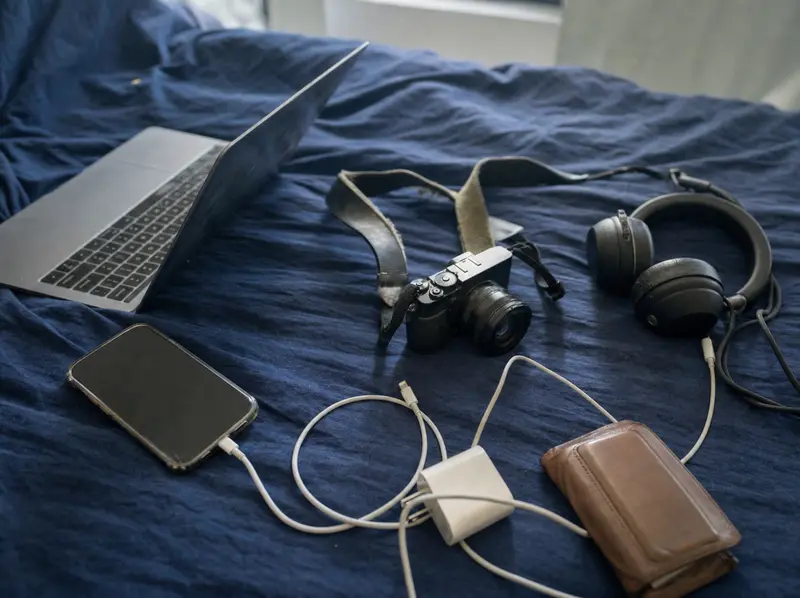
| Camera and photographic gear | $3,000 to $5,000 |
| Kayaks, paddleboards, surfboards (each) | around $3,000 |
| Cash kept at home | a few hundred dollars |
What does it mean to "specify" an item?
Specifying an item means listing it separately on your policy with its own agreed value, usually backed by a receipt or a valuation. It lifts that item above the standard cap so it is covered for what it is truly worth.
You normally do this for anything valuable that beats the per-item limit: an engagement ring, an heirloom watch, a road bike, pro camera kit, a musical instrument. There is usually a small extra premium, but it is the difference between getting your ring replaced and getting a fraction of it.
When should you bother?
A good rule of thumb: if losing one item would genuinely hurt, and it is worth more than the cap, specify it. For most households that is the ring, the laptop and maybe the bike.
Not sure what you own that crosses the line? Our contents calculator helps you tally things up, and we are happy to flag what is worth specifying when we review your cover.
Worried something valuable sits under a cap?
We will check your limits actually match what you own, well before you ever need to claim.
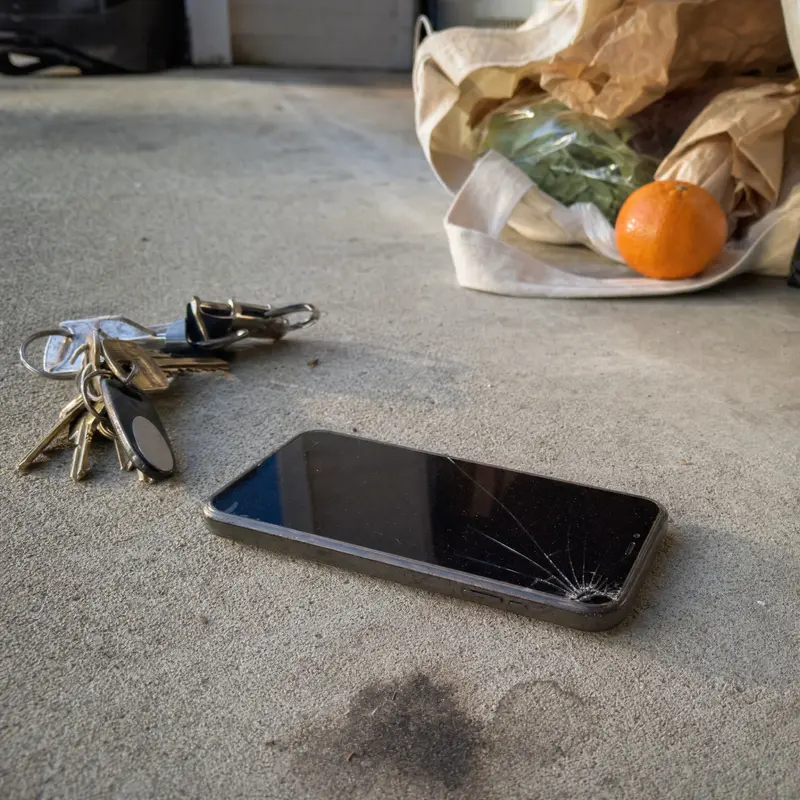
A dropped phone is an accidental damage claim, and on many policies that cover is an optional extra.
Are your things covered out and about?
Mostly, yes. The stuff you carry with you around New Zealand, like your phone, handbag, jewellery, laptop and sports gear, is usually covered under your contents policy even when it is not at home. Some insurers let you extend this worldwide as an option for travel.
The catch is that cover away from home often has its own limit, separate from your main sum insured. So the phone stolen from a cafe table is covered, but maybe only up to a set amount. Worth knowing before your gear leaves the house.
Is accidental damage included, or extra?
This trips a lot of people up. A standard policy often covers named events, things like fire, theft, storm and burst pipes. General accidental damage, the red wine on the rug or the TV knocked off its stand, is frequently an optional add-on.
If you have young kids, pets or a clumsy streak, accidental damage cover is usually worth the extra. Check whether yours is switched on, because the wording matters more than the brochure.
What does "new for old" actually mean at claim time?
New for old means the insurer replaces your item with the closest new equivalent, not that you get cash to buy whatever you like. Most wordings give the insurer the choice of repairing, replacing or paying out, and replacements usually come through the insurer's own suppliers. An equivalent item can be a different brand, as long as it matches on specs and quality.
Cash settlements follow the same logic. The insurer pays what the replacement would cost them, and their supplier pricing often sits below retail. One current wording shows a $13,000 specified ring settled at $12,800 because that is what the insurer's jeweller charges for an equivalent. Some insurers can also settle in store credit or vouchers instead of cash.
A few categories never get new-for-old treatment. Clothing, footwear, books and older tech are settled at depreciated value on most policies, which is covered in the next section.
A quick example
Your two-year-old TV is stolen. New-for-old replaces it with a current equivalent model, chosen by the insurer and possibly a different brand. Indemnity, or present value, would only pay its second-hand worth, often a fraction of the new price.
How does depreciation work on tech and older items?
Depreciation applies to a fixed list of categories that insurers settle at "indemnity" or "present value" instead of new-for-old. Clothing, footwear, books and recorded media sit on that list at almost every insurer. Older tech does too, and the age cut-off varies: some wordings depreciate laptops, tablets and phones once they pass three years old, others only after five.
Several insurers also depreciate sports gear over two years old and bicycles, including e-bikes, over three. Present value means the cost of an equivalent second-hand item, so the drop is real. One current wording works through a laptop bought new for $1,700 and settled at $600 six years later.
If your flat runs on a five-year-old laptop and a mountain bike, your payout could look quite different from your sum insured. Worth knowing before you claim, not after.
Can you claim without receipts?
Receipts are helpful but not compulsory. What insurers actually ask for is reasonable proof that you own the item and what it is worth. Bank and credit card statements, photos of the item in your home, original packaging, serial numbers, manuals, valuations and online order history all count as evidence.
The practical move is to build the evidence before you need it. Walk through the house filming each room, open drawers and wardrobes, photograph serial numbers on electronics, and store it all in the cloud. Ten minutes now saves weeks of back-and-forth on a burglary claim.
Secondhand gear from Trade Me or Facebook Marketplace is claimable too. Screenshots of the listing or your payment record do the same job a receipt would.
Beyond Burglaries
Which everyday claims surprise people?
Contents insurance reaches further than burglaries and house fires. These three scenarios come up constantly, and each has a catch worth knowing.
- Glasses and hearing aids
- Prescription glasses, dentures and hearing aids are contents, and some policies replace them without charging an excess. Insurers pay the fitting fees to dispense the replacement, but not the eye test or hearing test needed to renew an expired prescription.
- Power surge damage
- A TV or appliance killed by a power surge is generally covered when the surge originates outside your home, such as a network fault. Ordinary electrical breakdown is excluded, and some wordings only cover burnout of equipment under a set age.
- Stolen from your car
- A bag or laptop stolen from your car is a contents claim, not a car insurance claim. Check the conditions: some wordings require forcible entry to a locked vehicle, and some apply a higher excess to portable electronics taken from a car.
FAQ
Common questions
The cover and exclusion questions we hear most about contents policies. If yours is not here, request a callback and we will get back to you.
Get a Free Quote Does contents insurance cover my phone and laptop?
+
Usually yes, both at home and while you carry them around New Zealand, as long as you have portable contents or personal effects cover. There is often a per-item limit, so check your policy if your laptop or phone is on the pricier side.
Are my belongings covered when I take them out of the house?
+
Most policies cover items you carry with you around New Zealand, like a handbag, jewellery, sports gear or a camera. Some extend overseas as an option. Cover away from home often has its own limit, so it pays to read that section.
How much jewellery does contents insurance cover?
+
Unspecified jewellery is typically capped at $2,500 to $3,000 per item, depending on the insurer and policy tier, often with a total cap of around $15,000 per event. If a ring or watch is worth more than the cap, you specify it on your policy so it is covered for its full value.
Is accidental damage automatically included?
+
Not always. Plenty of policies cover named events like fire, theft and storm, but treat general accidental damage as an optional extra. If you want spills, drops and breakages covered, check whether accidental damage is switched on.
What is not covered by contents insurance?
+
Wear and tear, gradual damage, insect and vermin damage, business gear and damage during renovations are common exclusions. Motor vehicles are excluded too, and cover reduces once a home sits unoccupied for more than about 60 days. Pet damage is excluded on many policies but covered on some comprehensive ones.
What does "new for old" mean at claim time?
+
New for old means the insurer replaces your item with the closest new equivalent rather than paying its second-hand value. The insurer usually chooses the replacement through its own suppliers, so it can be a different brand, and a cash settlement can reflect the insurer's discounted supplier pricing rather than retail.
Can you claim on contents insurance without receipts?
+
Receipts are not the only acceptable evidence. Insurers ask for reasonable proof that you own the item and what it is worth, which can include photos, bank or card statements, packaging, serial numbers, manuals or online order history. The harder an item is to evidence, the more useful a pre-loss inventory becomes.
Is stuff stolen from your car covered by contents insurance?
+
Belongings stolen from your car are generally covered under your contents policy's away-from-home cover, not your car insurance. Conditions apply though: some wordings require forcible entry to a locked vehicle, and some charge a higher excess for portable electronics stolen from a vehicle.
Does contents insurance cover a TV damaged by a power surge?
+
Power surge damage to a TV or appliance is generally covered when the surge originates outside the home, such as from the network. Wordings exclude ordinary electrical breakdown and wear, and some only cover burnout of equipment under a set age, so older gear may not be paid out.
Quick heads up: this is general information to help you get your head around contents cover, not advice about your exact situation. What is actually covered comes down to your policy wording and your insurer, so give the wording a read or flick us a message and we will talk it through.
Not sure your cover stacks up?
Get a free, no-obligation quote from Kapi Insurance. We will look at what you own, check the limits actually fit, and let you know if anything important is sitting under a cap.