For Landlords
Landlord insurance
Your house policy stops doing its job the day someone else moves in.
A tenant stops paying, or trashes the place on the way out. The house sits empty for three months while it gets repaired, and the mortgage keeps going out on the first of the month. A standard house policy answers none of that. It is written for the person living in the house, and it pays nothing for lost rent.
Landlord insurance covers what changes when you hand over the keys. Kapi Insurance arranges it, reads the wording, and tells you where the limits sit before you need them.
The Gap
What does landlord insurance cover that house insurance does not?
Landlord insurance adds the cover a house policy leaves out once tenants move in: rent you lose while the property is unliveable, damage a tenant causes on purpose, methamphetamine contamination, and your own furniture. The building cover underneath works the same as ordinary home insurance.
| Cover | Standard house policy | Landlord policy |
|---|---|---|
| Fire, storm, flood and earthquake damage | Yes | Yes |
| Accidental damage by a tenant | Yes | Yes |
| Deliberate damage by a tenant | No | Yes |
| Rent lost while the property is unliveable | No | Yes |
| Rent a tenant stops paying | No | Optional |
| Methamphetamine decontamination | Limited | Yes |
| Your furniture, whiteware and carpets | No | Yes |
| Legal liability as the owner | Yes | Yes |
| Your tenant's belongings | No | No |
The last row is the one tenants get wrong. Nothing on your policy replaces their furniture or their laptop, which is what renters contents insurance is for. Worth saying at the start of a tenancy rather than after a burglary.
The Number That Matters
How much can you get back from a tenant who wrecks your rental?
Less than you think. Where a tenant or their guest damages your property carelessly, they owe you four weeks' rent or your insurance excess, whichever is the lower of the two. Everything above that number lands on you, or on your policy.
- The cap in real money
-
Four weeks' rent on a $700 a week Auckland rental is $2,800. If your excess is $500, the tenant owes $500. The lower number wins every time.
Landlords who set a low excess to keep the premium tidy are quietly capping what they can claim off a tenant at the same time.
- What sits above the cap
-
A burnt benchtop. A bathroom that flooded because nobody mentioned the overflow. A hole punched through gib. Repairs pass four weeks' rent quickly, and the balance is yours unless a policy picks it up.
This is the whole argument for landlord cover. The tenancy gives you a small, capped recovery. The policy is the part that actually pays.
- When the cap does not apply
-
Damage a tenant causes on purpose has no cap, and neither does damage from an act that carries a prison term or, since December 2025, damage caused by a pet the tenant keeps. The tenant is liable for the lot.
Getting the money out of someone who has already left the address is the other half of that sentence, and it is the half landlords find out about at the Tribunal.
- The bond will not close the gap
-
A general bond is four weeks' rent at most, with a separate pet bond possible since December 2025, and it has to cover unpaid rent and cleaning before it touches damage. On a bad exit it is gone before the repair quotes arrive.
Add up the bond and the capped recovery and you have covered one room, not a rebuild.
Tell us the address and the weekly rent. We will come back with cover that fits the tenancy.
Cash Flow
Does landlord insurance cover loss of rent?
Landlord insurance pays the rent you lose when insured damage makes the property unliveable, usually for up to twelve months. The dollar cap is the number that matters, and it varies more than most landlords expect, from about $15,000 to $50,000 depending on the insurer. That gap is exactly the line we check before you buy.
- What actually triggers it
- The house has to be unliveable because of damage your policy covers. A fire, a burst pipe, a storm that opens the roof. If the tenants can still live there and decide to leave anyway, there is no loss of rent claim, and that is exactly where owners get caught after a partial repair drags on.
- How long it runs
- Commonly up to twelve months, and it stops the day the property is fit to live in again. Finding a new tenant after that is your problem, not the insurer's. On a long Christchurch or Wellington rebuild the dollar cap runs out before the months do.
- Rent the tenant simply stops paying
- That is a separate benefit and it is optional, so plenty of landlords assume they have it and do not. It is capped in weeks rather than dollars, roughly six to fifteen, and it comes with strings: rent held in advance or a bond lodged, prompt written notice when the tenant falls behind, and a Tribunal application once arrears reach 21 days. Each insurer sets its own deadlines, and missing one voids the benefit.
- What it will not do
- Loss of rent does not fill a normal vacancy, and it does not pay while you renovate between tenants. Budget for the gaps separately.
Does landlord insurance cover deliberate tenant damage?
Most landlord policies cover deliberate tenant damage, capped between about $20,000 and $30,000, though a few exclude it unless fire or explosion is involved. A standard house policy excludes intentional or reckless damage by a tenant, a tenant's guest, and anyone else occupying the home. The landlord version puts that cover back, sometimes as a paid extension. Same insurer, same building, different answer.
Some insurers include tenant damage automatically. Others sell it inside a landlord extension you have to ask for, which is why two landlords in the same street can get very different answers to the same claim. Some wordings add an extra excess on tenant damage, and most will pay only one tenant damage claim per tenancy, which makes the exit inspection the moment that counts.
Damage found after the tenant has gone gets tested on when it happened, not when you found it. A ranch slider that has been leaking for two years does not become sudden because you spotted the rot on the day they moved out. Gradual damage, rot and mould stay excluded on every wording.
Does landlord insurance cover meth contamination?
Landlord policies cover methamphetamine testing and decontamination up to a cap, commonly $25,000 to $50,000 per event. There is no claim until contamination passes the threshold your policy names, and insurers set that differently. Some use the level set in regulation, currently 15 micrograms per 100 square centimetres; others a stricter standard. Below your policy's line, the testing bill is yours.
The regulated threshold arrived in April 2026 and it sits ten times higher than the old standard, so a result that once triggered a claim may now sit comfortably under the line. Some insurers still decontaminate down to 1.5 micrograms, far stricter than the rules require, which is a genuine difference between wordings and one worth knowing before you pick on price.
Meth cover carries the tightest conditions in the policy. Inspections at the frequency your wording sets, testing between tenancies on some policies, and telling the insurer as soon as you know. A landlord who has not inspected in a year has a hard claim ahead.
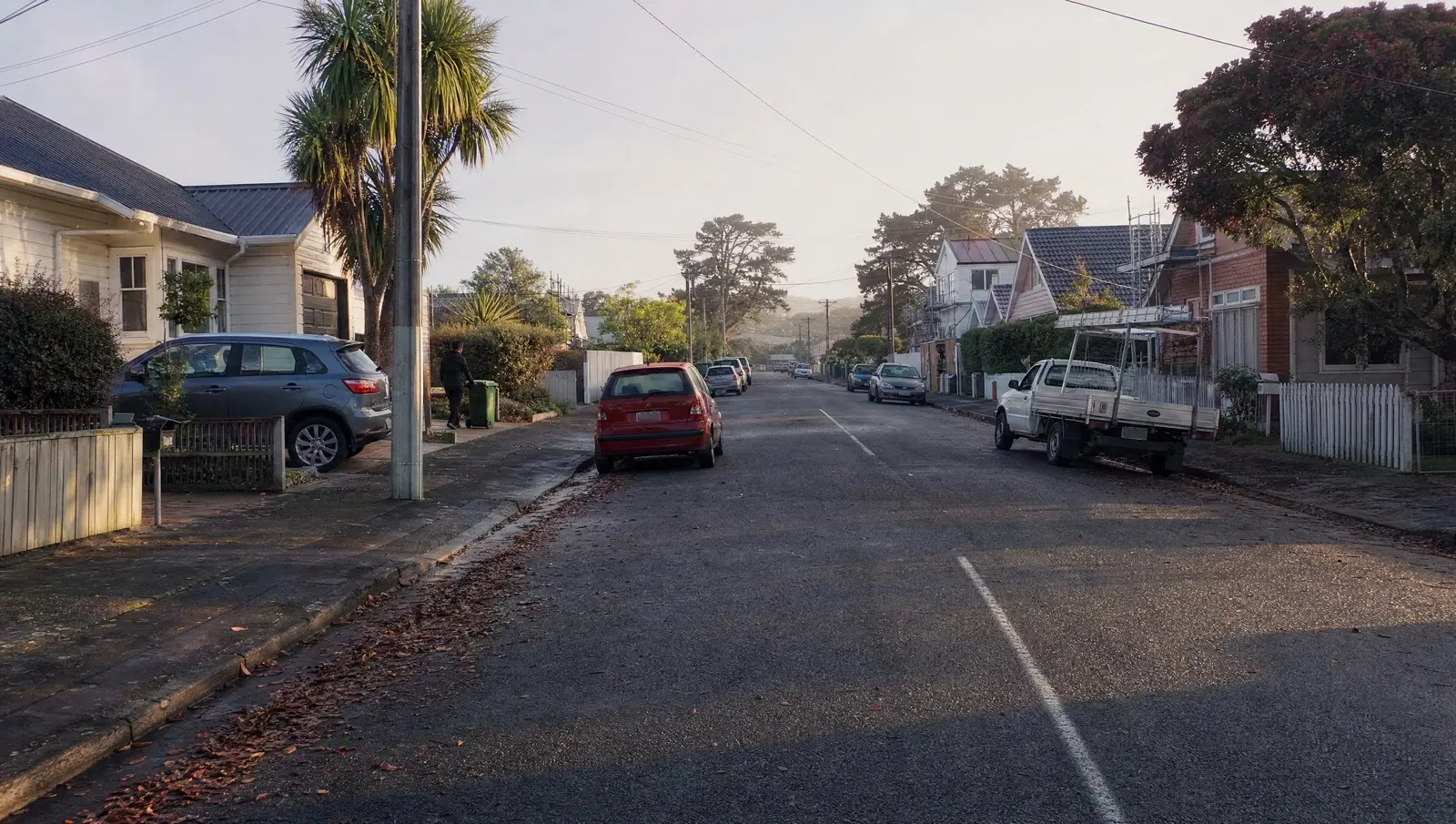
Half these houses are rentals. The policies behind them are not the same, and the difference only shows up at claim time.
If Someone Gets Hurt
What does landlord liability cover?
Landlord liability covers what you owe when someone is injured at your rental, or their property is damaged, and you are legally responsible as the owner. Limits range from $1 million to $20 million depending on the insurer, and a landlord policy does not always lift the limit above the standard house version. That line is worth checking when the quotes are side by side.
A deck rail that gives way. A back step that rots through. A tree on your boundary that comes down on the neighbour's roof in a Hamilton southerly. You are the owner, the property is your responsibility, and the person who gets hurt is not the one who has to prove much.
Check whether defence costs sit inside the limit or on top of it. On some wordings the legal bill comes out of the same pot as the payout, which shrinks the cover you thought you bought. That is the sort of line we read before you sign, not after.
Pricing
What does landlord insurance cost?
The insurer sets the price once it knows your rebuild figure, the address, the excess you pick and how the property is let. Landlord cover costs more than the same house owner-occupied, because owner-occupiers tend to look after a place better than someone passing through.
- Sum insured
- What it would cost to rebuild, including demolition, consents and professional fees. Our sum insured calculator gives you a starting figure.
- Address
- Flood, landslip and earthquake exposure are priced street by street. Two rentals in the same suburb can land differently.
- Excess
- A higher excess lowers the premium. It also raises what a careless tenant owes you, since their liability is capped at the lower of the excess and four weeks' rent.
- How it is let
- A fixed term tenancy, a boarding arrangement and a holiday let are three different risks. The insurer prices the one you tell it about.
Comparing landlord policies on price alone is how owners end up without tenant damage cover. The cheapest quote is often the one with the extension stripped out. We line the quotes up so the differences are visible before you choose.
Do you need landlord insurance for an Airbnb?
A short stay is not a tenancy, and landlord policies are written for tenancies. Some keep cover running but apply a much higher excess for every event while the property is let that way, and one insurer lifts it to $1,000 once a home is made available for paid casual stays. Others treat short stays as a business activity, or set conditions before they will look at it.
Guests who stay a weekend are not tenants under the tenancy rules either, so the four weeks' rent cap and the bond process do not exist for you. What is left is your policy and whatever you can chase through the platform.
Tell the insurer before you list it, not after the first booking. Mixing a long term tenancy with occasional short stays is the arrangement most likely to fall between two policies, and it is worth a five minute conversation.
Is rental property insurance the same as landlord insurance?
Rental property insurance and landlord insurance are the same thing. Insurers use both names for cover on a house you own and let out to someone else. Some sell it as its own product, others as an extension bolted onto an ordinary house policy.
The label on the brochure decides nothing. What decides your claim is whether loss of rent is in the wording, what the tenant damage cap is, whether meth is included or an add-on, and what the policy asks you to do while the tenancy runs.
If you also own the furniture in the place, the chattels sit in a landlord contents section rather than an ordinary contents policy. Most insurers pay a depreciated value on those chattels from day one, so even a near-new dryer settles for less than a new one. A couple replace anything ten years old or newer, which is worth hunting for if the place is furnished.
Read This Part
What can cost you a landlord claim?
Landlord policies come with conditions, and the declines come from missing them rather than from anything exotic. Inspections, occupancy and telling the insurer the property is tenanted are the three that catch owners.
- Inspections you did not do
- Every three or six months depending on the insurer, plus one between tenancies. It is a condition of cover. Keep the dated report and the photos, because a tenant damage claim is assessed against what the last inspection showed.
- Never telling them it is a rental
- Moving out and letting your old home changes the risk, and the policy has to change with it. One insurer adds a $250 excess per event once a home is let to tenants, though not for fire, flood or natural hazard claims. Staying quiet about it puts the whole claim at risk, not just the extra excess.
- Long gaps between tenants
- Cover changes once nobody has stayed overnight for 60 days on most policies. Some insurers add a hefty excess after that, others restrict cover unless the vacancy is agreed in writing. A three month renovation is a phone call before it starts.
- Buying the cover after the damage
- Adding tenant damage cover and claiming a week later does not work. Insurers test when the damage happened, and a claim built that way gets declined and the policy cancelled. Get the cover in place while the tenancy is boring.
- Letting the policy lapse
- Natural hazard cover applies to a rental exactly as it does to an owner-occupied home, paying up to $345,000 including GST per dwelling per event, with your insurer covering the rest up to your sum insured. It only exists while your private policy is current and includes fire cover. No policy, no government layer.
- Confusing Healthy Homes with cover
- Healthy Homes sits in your tenancy obligations, not in your insurance conditions, and compliance does not change what the policy pays. Maintenance still decides claims. Wear and tear, rot and gradual damage are excluded on every wording, compliant property or not.
Working With Us
Why use a broker for landlord insurance?
Landlord policies differ from each other far more than house policies do. Kapi Insurance is an Auckland-based insurance broker that reads those differences for you and tells you which ones will matter on your property.

The extension question, answered
Tenant damage, meth and rent default are automatic on some policies and optional on others. We tell you which quote in front of you actually includes them, rather than leaving you to work it out from the brochure.
Sum insured checked every year
Rebuild costs have moved hard since 2019. We check your figure at each renewal so the number on your rental keeps up with what builders charge now.
The conditions spelled out
Inspection frequency, vacancy rules, what to do when a tenancy changes. You get told what your policy expects while you can still meet it.
More than one property
Owners with two or three rentals often hold three different policies with three different renewal dates and three different tenant damage caps. We line them up so you know where you stand across the lot.
Claims go to your insurer
If you ever need to claim, you deal with your insurer directly. Kapi Insurance arranges the cover and reviews it with you each year.
How we're paid
The insurer pays us a commission when we arrange your cover, and your premium is the same as going direct.
FAQ
Landlord insurance questions
The questions rental owners put to us most. If yours is not here, request a callback and we will get back to you.
Get a Free QuoteWhat does landlord insurance cover?
Landlord insurance covers the building against fire, storm, flood and earthquake like any house policy, then adds the parts a rental needs: rent you lose while the property is unliveable, damage a tenant causes on purpose, methamphetamine contamination, your own furniture and chattels, and legal liability as the owner.
Do I need landlord insurance if I already have house insurance?
A standard house policy is written for the person living in the house. It excludes deliberate damage by a tenant, a tenant's guest and anyone else occupying the home, and it pays nothing for lost rent. Once you let the property out, tell your insurer and move onto landlord cover.
Does landlord insurance cover loss of rent?
Landlord insurance pays the rent you lose when damage your policy covers makes the property unliveable, usually for up to twelve months. The dollar cap is the number that matters, and it varies more than most landlords expect, from about $15,000 to $50,000 depending on the insurer.
Does landlord insurance cover damage a tenant does on purpose?
Most landlord policies cover deliberate tenant damage, capped between about $20,000 and $30,000, though a few exclude it unless fire or explosion is involved. Some include it automatically, others sell it as an extension you have to ask for. Most pay only one tenant damage claim per tenancy.
How much can I recover from a tenant who damages my rental?
Less than most landlords expect. Where a tenant or their guest damages the property carelessly, they owe you four weeks' rent or your insurance excess, whichever is lower. Damage done on purpose has no cap, and neither does pet damage since December 2025, but collecting from a tenant who has already left is a different problem.
Does landlord insurance cover meth contamination?
Landlord policies cover methamphetamine testing and decontamination up to a cap, commonly $25,000 to $50,000. There is no claim until contamination passes the threshold your policy names, and insurers set that differently: some use the regulated level of 15 micrograms per 100 square centimetres, others a stricter standard.
Does landlord insurance cover my tenant's belongings?
No. Your policy covers the building and anything you own inside it. A tenant's furniture, clothing and electronics are theirs to insure, which is what a renters contents policy is for. Landlords cannot insure belongings they do not own.
Do I need to insure the furniture in a furnished rental?
Furniture, whiteware, curtains and carpets you own need landlord contents cover. Most insurers pay a depreciated value on landlord chattels from day one, so even a near-new appliance settles for less than replacement. A couple replace anything ten years old or newer, which is worth hunting for if the place is furnished.
How often do I have to inspect my rental to keep cover?
Every three or six months depending on the insurer, plus an inspection between tenancies. This is a condition of the policy, not a suggestion. Keep the dated report and the photos, because missing inspection records is a common reason a tenant damage claim falls over.
Is my rental covered while it sits empty between tenants?
Cover changes once nobody has stayed overnight for 60 days on most policies. Some insurers add a hefty excess after that, others restrict cover unless they have agreed to the vacancy in writing. A long gap between tenancies or a renovation is worth a call before it starts.
Does landlord insurance cover Airbnb or short-term letting?
A short stay is not a tenancy, and landlord policies are written for tenancies. Some keep cover running but apply a much higher excess while the property is let that way, and others fold short stays into a business activities exclusion. Tell your insurer before you list it.
Does the natural hazards scheme cover a rental property?
Yes. Natural hazard cover applies to a rental the same as an owner-occupied home, paying up to $345,000 including GST per dwelling per event, with your insurer covering the rest up to your sum insured. It only exists while your private policy is current and includes fire cover.
Do the Healthy Homes Standards affect my insurance?
Healthy Homes sits in your tenancy obligations, not in your insurance conditions, so compliance does not change what the policy pays. Maintenance still matters at claim time. Wear and tear, rot and gradual damage are excluded on every wording, whatever the compliance status of the property.
What does landlord insurance cost?
The insurer sets the price once it knows your rebuild figure, the address, the excess you choose and how the property is let. Landlord cover costs more than the same house owner-occupied. Kapi Insurance puts the quotes side by side so you can see what the difference is buying.
Why use a broker for landlord insurance?
Kapi Insurance reads the wording, checks the loss of rent and tenant damage limits, and tells you what the policy expects from you before you need it. The insurer pays us a commission when we arrange your cover, and your premium is the same as going direct.
Related pages
Landlord cover is built on top of an ordinary house policy, so the rebuild figure, the natural hazard layer and the exclusions all work the same way. Our home insurance page covers that groundwork. If you own the furniture in the place, read how contents cover works before you set a figure. And when a tenant asks what they need, point them at renters insurance, since nothing on your policy replaces their gear.
Get your rental properly covered
Send us the address and how the property is let. We will check the loss of rent limit, the tenant damage cap and the conditions attached, then come back with cover that matches the tenancy you actually have.
Quick quote, no obligation.
No obligation. Policies underwritten by trusted NZ insurers.