Comparing cover
How to compare car insurance
Two policies at the same price can pay out very differently.
Most car insurance comparison happens on one number. You collect three prices, pick the lowest, and move on. The trouble is that the three quotes are almost never describing the same policy, so the number you compared was never comparable in the first place.
This page covers how to line quotes up properly, and which differences actually decide whether a policy is any use to you on the day you need it. If you want the cover itself, start with our car insurance page.

The Method
How do you actually compare car insurance in New Zealand?
Fix the cover level, the excess and the vehicle value to the same figures across every quote, then compare what each policy excludes. A quote is only comparable to another quote when the three things sitting behind it are identical.
-
Pick the cover level first, not the price
Comprehensive, third party fire and theft, and third party only are three different products. Comparing a comprehensive quote against a third party quote tells you nothing except that one covers less. Decide which level you need, then compare within it. Our guides to comprehensive cover and third party cover set out the difference.
-
Set every quote to the same excess
Excess is the lever that moves a premium most, and quote forms often default to different figures. A quote that looks cheaper because it quietly carries a higher excess is not cheaper, it has just moved the cost to the day you claim. Ask for the same excess on every quote, then compare.
-
Decide agreed value or market value before you compare
Agreed value fixes the payout figure when the policy starts. Market value is whatever the car was worth just before it was damaged. They price differently and they behave very differently after a write-off, so a quote on one basis cannot be read against a quote on the other.
-
Read the exclusions before the benefits
Benefit lists across insurers look much the same. Exclusion lists do not. This is where policies genuinely differ, and where declined claims come from. Consumer Protection makes the same point in its guidance for New Zealand drivers: do not just go on price, look at what each policy covers. Their car insurance guidance is a useful neutral starting point.
-
Answer every insurer's questions the same way
If you describe the main driver, the overnight parking or the modifications differently across quotes, you are not comparing policies, you are comparing different risks. Answer each insurer honestly and consistently. Getting this wrong is also the fastest way to have a claim declined later.
What should you compare besides the price?
The excess structure, whether agreed value is offered, what is included versus sold as an add-on, the exclusions, and whether the insurer will take your situation at all. Those five decide whether a policy is worth having.
Take this to every quote and ask the same questions each time. The answers vary more between insurers than the prices do.

| What to ask | Why it changes the outcome |
|---|---|
| Which excesses can apply, not just the standard one | Extra excesses can stack on top for younger or less experienced drivers. Two policies with the same standard excess can leave you paying very different amounts. |
| Is agreed value available on this vehicle | Not every insurer offers it on every car. If you want certainty about the payout rather than an argument about market value, this narrows the field immediately. |
| What is included and what costs extra | Towing, roadside assistance and a rental car while yours is off the road are standard on some policies and paid extras on others. Much of the price gap between quotes lives here. |
| What is on the exclusions list | Benefit lists converge, exclusion lists do not. This is the section that decides whether a claim is paid, and the one people read last. |
| Will they cover your actual situation | A modified car, an import, a driver under 25 or a recent claim. Some insurers decline outright, some load the premium, some barely react. Price tables never show this. |
| What happens at the second renewal | A competitive first year means little if the premium climbs steadily afterwards. Ask whether any introductory discount drops off. |
Are car insurance comparison sites worth using?
They are useful for a quick read on the market. They are not a substitute for reading the policy, and no comparison site in New Zealand covers every insurer.
A comparison site can tell you roughly where the market sits for a car like yours. That is genuinely worth ten minutes. What it cannot do is tell you which policy pays out when a tree comes down on your bonnet in a Wellington southerly, because that answer lives in the wording rather than the price.
Two limits are worth knowing before you lean on one. The panel of insurers shown is a selection, not the whole market, so an insurer that suits you may simply not appear. And the comparison is usually built on price at a default cover level, which puts you straight back into the problem of comparing quotes that are not describing the same policy.
Use one as a starting point. Then take the two or three that look promising and compare them on the six questions above.
The Honest Answer
Which car insurer is best in New Zealand?
There is no single best insurer, and anyone naming one is guessing. The same driver, same car and same address can be priced competitively by one insurer and poorly by the next, because each weights driver age, location, vehicle and claims history differently.
This is the honest answer to the most common question in car insurance, and it is why comparing on the same cover level matters more than chasing a name. An insurer that is excellent for a 45-year-old in Hamilton with a garaged late-model wagon can be the worst option available for a 22-year-old in central Auckland parking on the street.
The better question is which insurer suits your situation, your vehicle and the way you actually use it. That question has an answer. The general one does not.
Why does the same insurer quote new customers less than your renewal?
Insurers price to win new business and rely on existing customers renewing without checking. The two prices come from different commercial pressures, not from different risk, which is why the gap can exist on identical details.
The test takes ten minutes and costs nothing. Open your own insurer's quote form, enter exactly the details on your renewal notice, same cover level, same excess, same sum insured, and see what a new customer would pay today. If that number is lower than your renewal, you have found the gap, and you can put it in front of the insurer before you pay anything.
Getting quotes does not affect your premium or your insurance record, so the only cost of checking is the time. Do it with identical details, though. A quote that quietly carries a different excess or vehicle value is not evidence of anything.
The pattern has a name, and it reaches well beyond car cover. We wrote about the insurance loyalty tax separately, including what to check on the renewal documents beyond the premium.
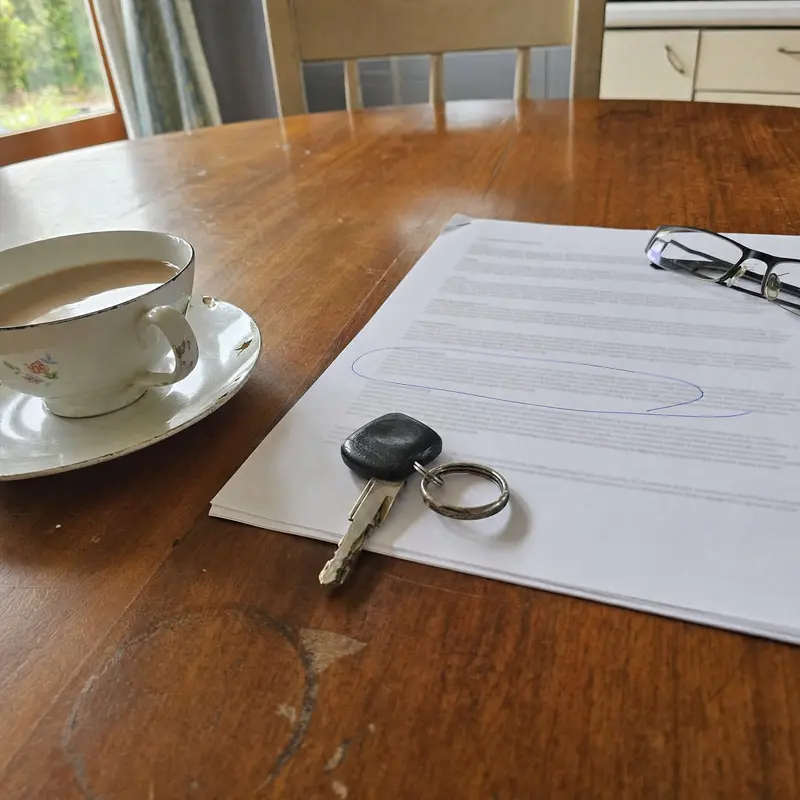
New policy in force first, old one cancelled from the same date. The order is the whole trick.
How does switching car insurance mid-policy work?
You can cancel a car insurance policy at any time, and standard New Zealand wordings refund the unused portion of the premium once anything outstanding is settled. Switching mid-term is a sequencing exercise more than a financial one.
The order matters. Have the new policy accepted and in force first, then cancel the old one from the same date. Cancelling first and shopping second creates a gap, and a gap is the one state where a single bad day has nothing behind it. Insurers also ask whether you have ever been declined or had cover cancelled, so keeping the sequence clean keeps the paperwork clean.
Two caveats on the refund. If you pay by instalments, anything owing comes out before anything comes back. And if the policy has already paid a total loss claim in the current period, expect no refund, because the premium is treated as fully used. Neither is a reason to stay put; both are worth knowing before you time the switch.
Our Approach
How does a broker compare cover differently?
Kapi Insurance starts from the wording rather than the price, and we compare the same cover level across the insurers we work with instead of whichever default each quote form happens to load.
We set the excess and cover level to the same figures before comparing anything.
We read the exclusions and tell you plainly what is not covered.
We know which insurers will take a modified car, an import or a younger driver.
We review the policy at each renewal rather than letting it roll over untouched.
When we arrange your cover, the insurer pays us a commission. If you ever need to claim, you deal with your insurer directly. Our job is getting the cover right and keeping it right. If you want the longer version of why that matters, we wrote about using a broker separately.
FAQ
Common questions about comparing car insurance
If your question is not here, request a callback and we will talk it through.
Get a Free Quote- What is the best way to compare car insurance in New Zealand?
- Set the cover level and the excess to the same figures across every quote, then compare what each policy excludes. A quote is only comparable to another quote when the cover level, the excess and the vehicle value behind it are identical.
- Which car insurer is best in New Zealand?
- There is no single best insurer. The same driver and car can be priced competitively by one insurer and poorly by another, because each one weights driver age, address, vehicle and claims history differently. The better question is which insurer suits your situation.
- Are car insurance comparison sites worth using?
- They are useful for a quick sense of the market, but no comparison site covers every New Zealand insurer, and most compare on price rather than on policy wording. Use one as a starting point, not as the decision.
- Does comparing car insurance affect my premium or record?
- Getting quotes does not affect your premium or your insurance record. There is no credit check equivalent for car insurance quotes in New Zealand, so you can compare as often as you like.
- How often should I compare car insurance?
- At every renewal, which is usually annually. Premiums move year to year and the policy that suited you three renewals ago may not be priced or structured the same now.
- Why does my insurer quote new customers less than my renewal?
- Insurers price to win new business and rely on existing customers renewing without checking. The two prices come from different commercial pressures, not different risk. Getting a new-customer quote from your own insurer with identical details is the quickest way to see the gap.
- How long is a car insurance quote valid?
- A quote is a snapshot of the insurer's current rates, so it carries a printed expiry date and insurers will not hold pricing far ahead of your renewal. Collect quotes in the last few weeks before renewal rather than months out, or you will be re-quoting.
- Is it cheaper to pay for car insurance annually than monthly?
- Often, but not always. AA Insurance, for example, says plainly in its help centre that annual payment is priced lower because payment frequency is a rating factor, while some insurers price instalments the same. Ask for both figures on every quote and compare the annual totals.
- Do I get a refund if I switch insurers mid-policy?
- Normally yes. Standard New Zealand wordings let you cancel at any time and refund the unused portion of the premium, once anything outstanding is settled. After a total loss claim there is usually no refund, because the full premium is treated as used.
- Is an online-only insurer as safe as a big brand?
- The brand on the website is not what pays claims; the licensed insurer standing behind it is. Check the provider on the Financial Service Providers Register, identify the underwriter named in the policy wording, and confirm membership of a dispute scheme such as IFSO or FSCL.
Let us do the comparing
Tell us what you drive, who drives it and where it sits overnight. We will compare the same cover level across the insurers we work with and explain the trade-offs in plain terms. No obligation.