Cover levels
Comprehensive car insurance in New Zealand
The widest cover available, and still not cover for everything.
Every insurer page about comprehensive car insurance lists the same benefits. Almost none of them set out the exclusions in plain words, which is the part that decides whether a claim gets paid. So that is where this page starts.
Below: what comprehensive actually covers, the list of things it does not, how sub-limits and excess quietly reduce a payout, and which benefits are add-ons rather than inclusions. If you want the cover levels side by side instead, start with how car cover works in New Zealand.
What does comprehensive car insurance cover in New Zealand?
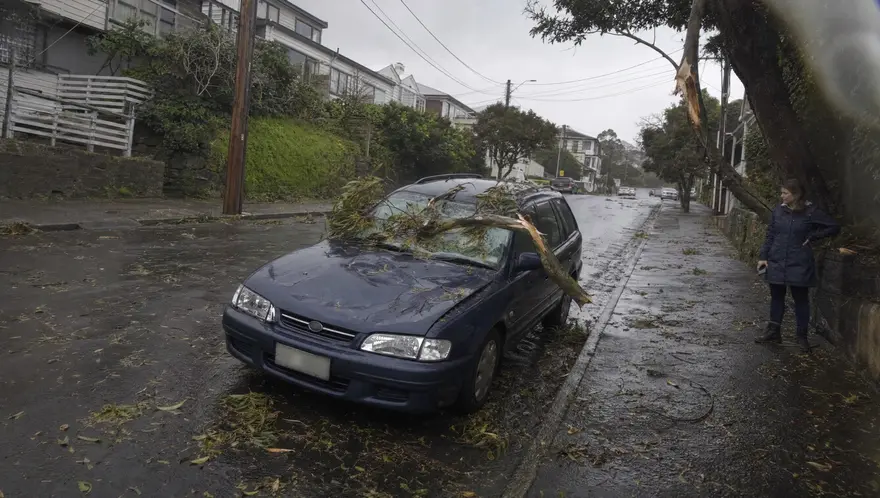
Comprehensive car insurance covers accidents you cause and accidents someone else causes, damage to your own vehicle and to other people's property, and extra costs such as towing after a crash. It is the widest cover level sold here, and generally the more expensive one.
That is the whole meaning of the word in an insurance context. Comprehensive is not a brand or a tier name an insurer invented. It describes a policy that responds to damage to your car regardless of who was at fault, on top of the legal liability cover that third party policies provide on their own.
Normally included
- Accidental damage to your car, at fault or not
- Damage you cause to someone else's car or property
- Theft, attempted theft and fire
- Storm, flood and other natural hazard damage
- Vandalism and malicious damage
- Towing and storage after an accident
- Windscreen and glass, though often with its own excess
What does comprehensive car insurance not cover?
Mechanical and electrical failure, wear and tear, tyre punctures, impaired or unlicensed driving, undisclosed modifications, commercial use, and belongings left in the car. Comprehensive responds to sudden accidental damage, not to a car ageing or a part giving up.
These are the exclusions that show up again and again across the wordings we read. The exact list varies between insurers, and the differences between those lists matter far more than the differences between the benefit lists.

| What sits outside the policy | What that means in practice |
|---|---|
| Mechanical, electrical and electronic failure | A gearbox that dies on the Desert Road is not an insurance event. Mechanical breakdown insurance is a separate product and comprehensive does not replace it. |
| Wear, tear, rust and corrosion | Brake pads, batteries, faded paint and salt corrosion on a coastal car are maintenance. Insurers exclude gradual deterioration by name. |
| Tyre damage from punctures, cuts or braking | A kerbed or blown tyre on its own is usually excluded. If the tyre is slashed maliciously, or damaged in a crash you are claiming for anyway, that is treated differently. |
| Driving over the limit or impaired | Over the breath or blood alcohol limit, impaired by drugs, or refusing a test when lawfully required. Prescription medication counts if you were told not to drive on it. |
| Driving outside your licence conditions | Unlicensed, or breaching a restricted licence by carrying passengers or driving after hours. A licence that has simply expired and can be renewed without a retest is usually treated more leniently. |
| Modifications you did not declare | Wheels, suspension, engine work, a big stereo. Undeclared changes are one of the most common reasons a motor claim is turned down. |
| Using the car for hire or reward | Rideshare, courier and food delivery work sits outside a private policy. Specialist cover exists for it, and a private policy can be void without it. |
| A driver the policy does not name | On a named-driver policy, an at-fault crash by someone not listed can be declined outright. An any-driver policy avoids this, and usually costs more. |
| An unroadworthy or overloaded vehicle | No current warrant of fitness, bald tyres, or a load the vehicle was never rated to carry. Insurers can decline where the condition of the car contributed to the loss. |
| Racing, track days and off-road driving | Motorsport of any kind, and in many wordings driving on a beach or riverbed. Check before a club track day, not after. |
| Personal belongings left in the car | A laptop, a phone or a set of golf clubs taken in a break-in belongs to your contents policy, not your car policy. The car policy pays for the broken window. |
| Consequential loss | Loss of use, income you could not earn, the depreciation a repaired car carries afterwards. The policy pays for the damage, not the knock-on effects. |
The Quiet Reductions
How do sub-limits and the excess reduce a payout?
A sub-limit caps one benefit at a figure well below your sum insured. The excess then comes off whatever the insurer agrees to pay. Both apply to the same claim, so a benefit that looks generous in the brochure can be worth very little once the two are stacked.
- Keys and locks
- Commonly capped somewhere between $500 and $1,000 across the wordings we read. Modern proximity keys and a full lock recode can pass that quickly, and the balance is yours.
- Trailer and caravan cover
- Where a domestic trailer is picked up at all, one wording caps it at $1,000 an event and applies a separate $150 excess on top. Anything of real value needs its own policy.
- Emergency accommodation
- Often around $500 an event if you are stranded away from home. Useful on a Dunedin to Auckland trip, not enough to matter on its own.
- Legal liability
- This is the one that is genuinely large. Property damage liability commonly runs to $20 million an event, with a separate and much smaller limit for court-ordered reparation for injury.
- The excess itself
- Your standard excess is rarely the only one. Age and inexperience excesses apply on top for younger drivers, and glass, trailer and named-peril excesses have their own figures. Ask for the combined total that would apply to you, not the headline number.
The practical test is simple. Take the benefit you care about most, find its sub-limit in the wording, subtract the excess that applies to it, and ask whether the remainder would change anything on a bad day. That number is what the benefit is actually worth to you.
Does raising your excess actually make comprehensive cheaper?
Yes. A higher voluntary excess lowers the premium on almost every quote form, because you are agreeing to carry the first and most frequent slice of every claim yourself. The trade is real money on the day you claim, so it needs to be a number you could actually find.
The mechanics are straightforward. Small claims are the ones insurers see most, so taking them off the insurer's book is worth a discount to them. Move the excess up a notch on any online quote and watch the premium drop; the effect is usually strongest on the first step up and flattens after that, which you can test yourself in two minutes before accepting anything.
The catch comes in three parts. The excess applies to each event, so two knocks in a bad winter means paying it twice. Compulsory excesses stack on top of the voluntary one, so a household with a driver under 25 should work from the combined figure rather than the number on the slider. And a big excess quietly turns every small claim into a claim not worth making, which means you are paying a premium for cover you will only ever use on a bad day.
A higher excess is still a sensible lever, it just has to be a deliberate one. Set it at the top of what your household could genuinely pay tomorrow, not at whatever figure makes the quote look best.
Read the Schedule
What is an optional extra rather than part of the cover?
A rental car while yours is being repaired, excess-free glass and roadside assistance are the three most likely to be sold separately. Two comprehensive policies at a similar price often differ mainly in which of these are already inside.
Usually already in the policy
- Towing, storage and transport after an accident
- Keys and locks, up to the sub-limit
- Emergency accommodation and travel
- Replacement of a new vehicle written off in its first years
- Legal liability for damage to other people's property
Often sold as an add-on
- A rental car while yours is off the road
- Excess-free windscreen and glass cover
- Roadside assistance, included by a few insurers, charged by most
- Agreed value, where the insurer offers it at all
- Cover for a modified or imported vehicle
How much is car insurance in New Zealand per month?
There is no standard figure, and any page quoting one is describing somebody else's car. The premium is assembled from your details, and two neighbours with identical vehicles can land a long way apart.
Comprehensive is generally the more expensive of the cover levels, because it is the only one that pays for damage to your own car. What moves the number from there is your age and driving history, where the car is parked overnight, the make and model, the excess you accept, and whether you insure for agreed or market value.
Location does real work here. A car garaged in a quiet Hamilton street and the same car parked kerbside in central Auckland are not the same risk, and insurers price them accordingly. Christchurch and Wellington each carry their own weather and hazard loadings.
The levers you control are the excess, the cover level, the accuracy of your details and whether you actually look at the renewal. Everything else is the insurer's view of the risk, and that view differs from one to the next.
Price Shopping
Who is the cheapest car insurance in New Zealand?
There is no single cheapest insurer. The same driver, same car and same address can be the lowest quote with one insurer and mid-pack with another, because each one weights age, location, vehicle and claims history differently.
That is why comparing on the same cover level matters more than chasing a name. A comprehensive quote read against a third party quote tells you nothing except that one covers less, and a quote carrying a higher excess is not cheaper, it has just moved the cost to the day you claim.
If you want to line quotes up so they are genuinely comparable, our guide to comparing car insurance sets out the order to do it in.
The Shrinking Number
At what car value does comprehensive stop making sense?
There is no single dollar figure, and anyone quoting one is guessing about your finances. The most comprehensive can ever return for your own car is its value minus the excess, so the real question is what that shrinking number is still buying you.
Three things sit in the trade-off. The first is whether you could replace the car from savings without borrowing. If losing a $4,000 hatchback tomorrow is an annoyance rather than a crisis, the case for insuring its value is thin. If it means no way to get to work, the same $4,000 is worth protecting.
The second is what comprehensive does beyond the payout. When an at-fault or uninsured driver hits you, your own insurer pays for your repairs and then recovers the cost from them. On third party, that recovery is yours to run: letters, the Disputes Tribunal, and a defendant who may have no money. People who have chased an uninsured driver once tend to price that work into the premium afterwards.
The third is what the alternative actually costs. Third party fire and theft keeps the two risks that take the whole car at once, and on a low-value car the gap between it and comprehensive is sometimes smaller than people expect, because theft and fire carry most of the risk on an older vehicle. Get both numbers before assuming the downgrade saves much. The arithmetic behind the crossover, value minus excess against premium, is worked through on our third party cover page.
The Judgement Call
When is comprehensive worth it, and when is it not?
Comprehensive earns its keep while the car is worth enough that losing it would hurt. Once the vehicle's value falls low enough, the most the policy can ever return for your own car stops justifying the difference in premium.
The car is financed. Most lenders require comprehensive for the life of the loan.
You could not replace the vehicle out of savings if it were written off tomorrow.
You want agreed value, which is generally only available at this cover level.
An uninsured driver hitting you would otherwise leave you chasing them personally.
The crossover comes when the premium and excess together start looking large against what the car is worth. At that point third party cover, or third party fire and theft as the middle rung, can be the more sensible trade. Your liability for damage to someone else's vehicle does not shrink as your car ages, and that is usually the far larger bill.
Electric vehicles sit at the other end of that judgement. Battery replacement cost, repairer availability and the way a damaged pack is assessed all push towards the wider cover level, which is why we treat EV cover as its own conversation.
How Kapi Insurance works
Kapi Insurance reads the exclusions and the sub-limits before we talk about price, then sets the same cover level and excess across the insurers we work with so the quotes mean something. Consumer Protection makes the same point in its guidance for drivers: do not go on price alone, look at what each policy covers. Their car insurance guidance is a neutral place to start.
When we arrange your cover, the insurer pays us a commission. If you ever need to claim, you deal with your insurer directly. Our job is getting the cover right at the start and reviewing it with you each year.
FAQ
Common questions about comprehensive car insurance
If your question is not here, request a callback and we will talk it through.
Get a Free Quote- What does comprehensive car insurance cover in New Zealand?
- Comprehensive covers accidents you cause and accidents caused by someone else, damage to your own vehicle and to other people's property, and additional costs such as towing after a crash. Theft, fire, vandalism and storm damage are normally included too.
- What does comprehensive car insurance not cover?
- Mechanical and electrical breakdown, wear and tear, rust, tyre punctures, driving while impaired or outside your licence conditions, undisclosed modifications, using the car for hire or reward, and personal belongings left inside it. Every wording differs, so read the exclusions section.
- How much is car insurance in New Zealand per month?
- There is no standard figure. The premium is built from your age and driving history, where the car sleeps overnight, the vehicle itself, the cover level, the excess you choose and whether you insure for agreed or market value. Two neighbours with the same car can pay very different amounts.
- Who is the cheapest car insurance in New Zealand?
- There is no single cheapest insurer. The same driver, same car and same address can be priced competitively by one insurer and poorly by another, because each one weights age, location, vehicle and claims history differently. Comparing on the same cover level matters more than chasing a name.
- Is comprehensive car insurance worth it on an older car?
- It depends on what the car is worth. The most you can ever recover for your own vehicle is its value, so once that figure drops low enough, third party fire and theft can be the more sensible trade. Your liability for damage to other people's property does not shrink with the car.
- Does comprehensive car insurance cover mechanical breakdown?
- No. Comprehensive responds to sudden accidental damage, not to parts failing. Engine, gearbox, electrical and electronic failures sit outside every comprehensive wording we have read. Mechanical breakdown insurance is a separate product.
- At what car value does comprehensive stop making sense?
- There is no single dollar figure. The most comprehensive can ever return for your own car is its value minus the excess, so the question is whether you could replace the car from savings, and whether having an insurer recover your loss from an at-fault driver is worth paying for.
- Does raising your excess make comprehensive cheaper?
- Yes, a higher voluntary excess lowers the premium on almost every quote form. The catch is that the excess applies to each event, compulsory excesses for age or inexperience stack on top of it, and the saving only works if you could genuinely find the full amount tomorrow.
Find out what your policy actually excludes
Tell us what you drive, who drives it and where it sits overnight. We will go through the exclusions and the sub-limits with you, in plain words, before anything is arranged. No obligation.